
Experiencing chest pain can be a frightening experience, and it is always important to seek professional help promptly.
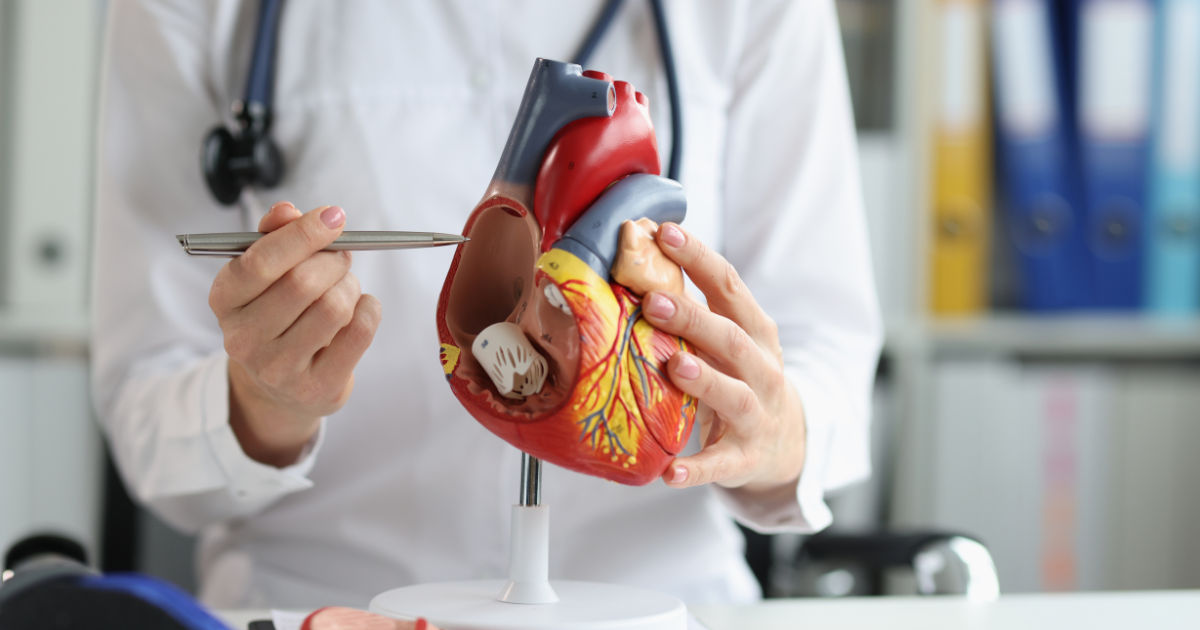
A cardiologist in Lahore is a specialized doctor trained to evaluate, diagnose, and manage heart-related issues that can cause chest pain. Knowing what a cardiologist will check for can help you understand the process, reduce anxiety, and ensure that you receive the right treatment.
In this comprehensive guide, we will explore everything a cardiologist examines when a patient presents with chest pain, the diagnostic tests commonly used, risk factors they consider, and how they formulate a treatment plan.
By the end, you will have a clear picture of what to expect during a cardiology consultation in Lahore.
Chest Pain
Chest pain is a common symptom, but it does not always indicate a heart problem. Sometimes it is caused by muscle strain, acid reflux, anxiety, or lung issues. However, because chest pain can signal life-threatening heart conditions, it should never be ignored.
Cardiologists are trained to differentiate between cardiac and non-cardiac causes of chest pain. Their primary goal is to identify serious conditions such as heart attacks, angina, or other cardiovascular diseases quickly and accurately.
Initial Assessment by a Cardiologist in Lahore
When you visit a cardiologist in Lahore for chest pain, the first step is a detailed assessment. This typically involves:
Detailed Medical History
The cardiologist will ask about your symptoms, including:
-
The type of pain (sharp, dull, pressure, burning)
-
When it started and how long it lasts
-
Any triggers or activities that worsen the pain
-
Associated symptoms like shortness of breath, sweating, nausea, or palpitations
-
Family history of heart disease
-
Past medical history, including hypertension, diabetes, or high cholesterol
-
Lifestyle factors such as smoking, alcohol use, diet, and exercise
A thorough history helps the cardiologist distinguish between cardiac and non-cardiac causes of chest pain.
Physical Examination
Next, the cardiologist conducts a detailed physical examination. This includes:
-
Checking heart rate and rhythm
-
Measuring blood pressure in both arms
-
Listening to the heart and lungs for abnormal sounds
-
Feeling pulses in different parts of the body
-
Checking for signs of fluid retention, swelling, or poor circulation
A physical exam gives essential clues about the state of your heart and circulation.
Diagnostic Tests Cardiologists Use for Chest Pain
To pinpoint the cause of chest pain, a cardiologist in Lahore may recommend several diagnostic tests. These tests can identify problems such as blocked arteries, abnormal heart rhythms, or structural heart issues.
Electrocardiogram (ECG or EKG)
An ECG records the electrical activity of your heart. It helps detect:
-
Irregular heartbeats (arrhythmias)
-
Previous or ongoing heart attacks
-
Poor blood flow to heart muscles
The test is quick, painless, and usually done in the clinic.
Blood Tests
Certain blood tests can reveal heart damage or risk factors for heart disease. These include:
-
Troponin levels: Elevated levels indicate a heart attack
-
Cholesterol and lipid profile: High cholesterol increases heart disease risk
-
Blood sugar levels: Diabetes can contribute to cardiovascular problems
These tests help cardiologists determine if immediate intervention is necessary.
Chest X-ray
A chest X-ray allows the cardiologist to examine your heart, lungs, and major blood vessels. It can detect:
-
Lung problems such as pneumonia or fluid buildup
-
Enlarged heart or heart failure signs
This test is often used alongside ECG and blood tests.
Echocardiogram
An echocardiogram uses ultrasound waves to create images of the heart. It shows:
-
Heart chamber size and function
-
Valve problems
-
Areas with poor blood flow or damage
This test is crucial for detecting structural heart issues that could cause chest pain.
Stress Test (Treadmill Test)
A stress test evaluates how your heart responds to physical exertion. It can reveal:
-
Reduced blood flow to the heart
-
Exercise-induced arrhythmias
-
Early signs of coronary artery disease
Sometimes, a stress test is done with imaging techniques to get more precise results.
Coronary Angiography
If other tests indicate a blocked artery or severe heart problem, your cardiologist may recommend coronary angiography. This involves:
-
Injecting a contrast dye into the coronary arteries
-
Using X-ray imaging to detect blockages
-
Planning interventions like angioplasty if needed
This is an advanced test typically used for high-risk patients.
Risk Factors a Cardiologist Evaluates
Chest pain often results from heart disease caused by multiple risk factors. A cardiologist in Lahore will assess these to provide a complete risk profile:
-
High blood pressure (hypertension)
-
High cholesterol
-
Diabetes or insulin resistance
-
Smoking and tobacco use
-
Sedentary lifestyle
-
Obesity
-
Family history of heart disease
-
Stress and mental health factors
Understanding these risk factors helps the cardiologist plan prevention and treatment strategies.
Common Diagnoses for Chest Pain
After assessment and testing, a cardiologist may identify several potential causes of chest pain, including:
Angina
Angina is chest discomfort caused by reduced blood flow to the heart. It can be stable (predictable and triggered by exertion) or unstable (sudden and dangerous).
Heart Attack (Myocardial Infarction)
A heart attack occurs when a coronary artery is blocked, cutting off blood supply to the heart muscle. Immediate treatment is critical.
Arrhythmias
Irregular heart rhythms can cause palpitations, dizziness, and chest discomfort. Some arrhythmias are harmless, while others need urgent treatment.
Heart Failure
Heart failure occurs when the heart cannot pump blood efficiently, leading to fatigue, shortness of breath, and chest pain.
Non-Cardiac Causes
Not all chest pain originates in the heart. Common non-cardiac causes include:
-
Acid reflux or gastroesophageal reflux disease (GERD)
-
Muscle or rib injury
-
Anxiety or panic attacks
-
Lung conditions like pneumonia or pulmonary embolism
Treatment Options a Cardiologist May Recommend
Once the cause of chest pain is identified, a cardiologist in Lahore will recommend appropriate treatment. Treatment plans vary depending on the condition and its severity.
Lifestyle Modifications
For many patients, lifestyle changes can reduce symptoms and prevent future heart problems:
-
Adopting a heart-healthy diet
-
Regular physical activity
-
Quitting smoking and limiting alcohol
-
Stress management techniques
Medications
Cardiologists may prescribe medications such as:
-
Blood thinners or antiplatelet drugs
-
Cholesterol-lowering medications (statins)
-
Blood pressure medications
-
Anti-anginal medications to relieve chest pain
-
Medications for arrhythmias or heart failure
Procedures and Surgery
For severe or life-threatening conditions, procedures may be necessary:
-
Angioplasty and stent placement to open blocked arteries
-
Bypass surgery for extensive coronary artery disease
-
Pacemaker or defibrillator implantation for certain arrhythmias
When to See a Cardiologist in Lahore
If you experience chest pain, it is crucial to seek timely medical care. You should consult a cardiologist in Lahore immediately if your chest pain is:
-
Severe or sudden
-
Accompanied by shortness of breath, sweating, or nausea
-
Persistent or worsening over time
-
Linked with fainting, dizziness, or palpitations
Early intervention can save lives and prevent complications.
Preparing for Your Cardiologist Appointment
Before visiting a cardiologist in Lahore, it is helpful to:
-
Keep a record of your symptoms, including timing and triggers
-
List all medications and supplements you take
-
Note your medical and family history
-
Prepare questions about your diagnosis, treatment options, and lifestyle advice
Being well-prepared ensures a more effective consultation.
Conclusion
Chest pain is a symptom that should never be ignored. Visiting a cardiologist in Lahore allows for a thorough assessment, proper diagnosis, and timely treatment. From medical history and physical examination to advanced diagnostic tests and interventions, cardiologists are equipped to handle both minor and life-threatening heart issues.
Understanding what a cardiologist checks for can reduce anxiety and empower you to take control of your heart health. Early detection, lifestyle changes, and adherence to treatment plans can prevent serious complications and improve quality of life. Always take chest pain seriously and seek professional care promptly.
A consultation with a qualified cardiologist in Lahore ensures that you receive expert evaluation and peace of mind. Your heart health is invaluable, and timely medical attention can make all the difference.