In today’s digital world, buying medicine online has become common. Many people search for quick and affordable options, and that is where a No RX Pharmacy often appears. A No RX Pharmacy claims to sell prescription medications without requiring a doctor’s prescription. While this may sound convenient, it raises serious concerns about safety, legality, and quality.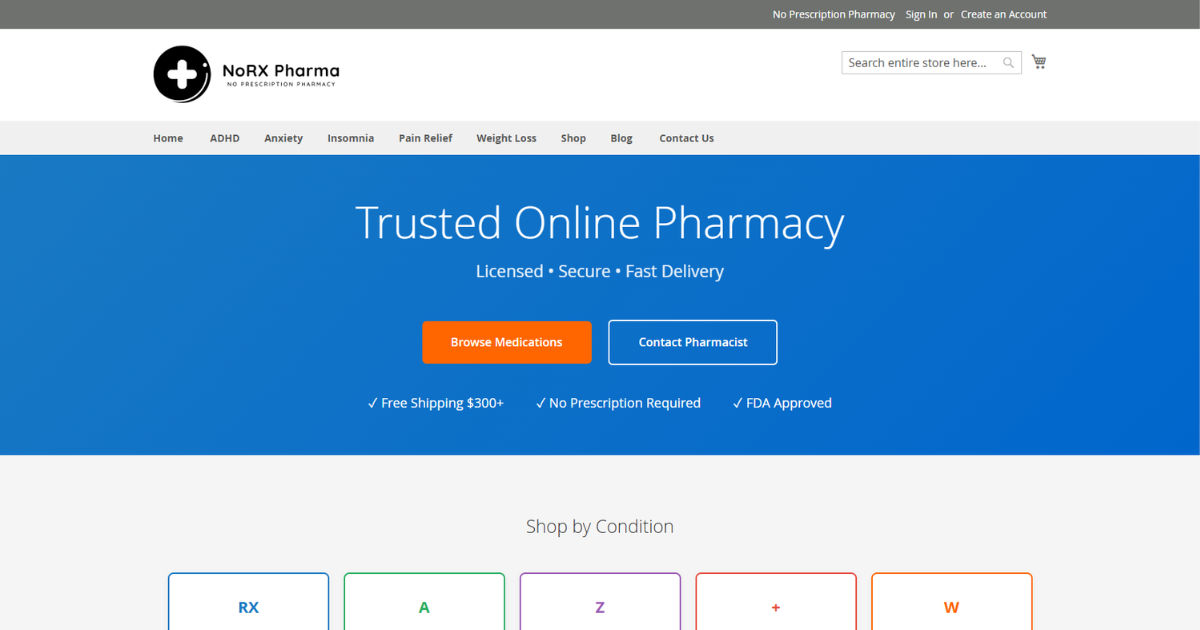
On the other hand, a legitimate pharmacy follows strict medical and legal guidelines. Understanding the difference between a No RX Pharmacy and a licensed pharmacy can protect your health, money, and even your life.
This comprehensive guide explains what separates a No RX Pharmacy from a regulated pharmacy. We will explore how each operates, the risks involved, the legal aspects, and how to make safe choices when buying medications.
What Is a No RX Pharmacy?
A No RX Pharmacy is an online or physical pharmacy that sells prescription drugs without asking for a valid prescription from a licensed healthcare provider. Normally, prescription medications require approval from a doctor because they can cause side effects, interact with other drugs, or be dangerous if misused.
A No RX Pharmacy removes that important safety step. Instead of verifying your medical history or consulting with your doctor, it simply processes your order.
Many websites advertising as a No RX Pharmacy promise:
-
Fast delivery
-
Low prices
-
No doctor visit required
-
Easy checkout process
While this may seem attractive, it comes with serious risks.
What Is a Legit Pharmacy?
A legitimate pharmacy is licensed by government authorities and follows national healthcare laws. In the United States, pharmacies are regulated by state pharmacy boards and monitored by agencies like the U.S. Food and Drug Administration.
A legal pharmacy will:
-
Require a valid prescription for controlled medications
-
Employ licensed pharmacists
-
Provide drug counseling
-
Follow safety storage standards
-
Verify drug sources
Unlike a No RX Pharmacy, a legitimate pharmacy prioritizes patient safety over speed and convenience.
Legal Differences Between No RX Pharmacy and Legit Pharmacy
Prescription Requirements
The biggest legal difference is prescription verification. A No RX Pharmacy skips this step entirely. However, in many countries, selling prescription drugs without a valid prescription is illegal.
A legitimate pharmacy must confirm the prescription directly from a doctor. It may contact the physician to verify dosage or instructions.
Licensing and Regulation
A No RX Pharmacy often operates without proper licensing. Some operate overseas to avoid strict laws. This makes it difficult for authorities to regulate them.
Legitimate pharmacies display license numbers and are registered with national pharmacy boards. For example, in the U.S., pharmacies follow rules set by organizations like the National Association of Boards of Pharmacy.
Controlled Substances
Drugs such as opioids, stimulants, and anxiety medications are tightly controlled. A No RX Pharmacy may sell these drugs freely, increasing the risk of addiction and abuse.
A licensed pharmacy must follow strict tracking systems for controlled substances.
Safety Differences
Risk of Fake or Counterfeit Drugs
One major danger of using a No RX Pharmacy is the possibility of counterfeit medication. Fake drugs may contain:
-
Wrong ingredients
-
Incorrect dosage
-
Harmful chemicals
-
No active ingredient at all
The World Health Organization warns that counterfeit drugs are a growing global problem. A No RX Pharmacy is more likely to sell products that are not tested or approved.
Lack of Professional Guidance
When you buy from a legitimate pharmacy, a pharmacist explains:
-
Proper dosage
-
Possible side effects
-
Drug interactions
-
Storage instructions
A No RX Pharmacy does not provide personalized advice. Without guidance, patients may misuse medications.
No Medical Screening
Prescription drugs are prescribed for specific conditions. A No RX Pharmacy does not review your medical history. This increases the risk of allergic reactions, overdose, or harmful drug interactions.
Quality Control and Drug Sourcing
Legit Pharmacy Standards
Licensed pharmacies obtain medications from approved manufacturers and wholesalers. In the United States, many medications come from companies regulated by the U.S. Food and Drug Administration.
These medications go through:
-
Clinical trials
-
Safety testing
-
Quality inspections
-
Secure distribution channels
No RX Pharmacy Supply Chains
A No RX Pharmacy may not reveal where its drugs come from. Some sources may include unregulated factories or unknown suppliers.
Because a No RX Pharmacy avoids regulatory oversight, there is no guarantee of product quality.
Financial Differences
Pricing
A No RX Pharmacy often advertises very low prices. This attracts customers who lack insurance or want to save money.
However, low prices may reflect low quality. Counterfeit drugs are cheaper to produce.
Legitimate pharmacies may charge higher prices, but they offer verified products and professional service.
Hidden Costs
Using a No RX Pharmacy may lead to hidden costs such as:
-
Health complications
-
Hospital visits
-
Ineffective treatment
-
Identity theft
Legitimate pharmacies protect customer information and follow privacy laws.
Privacy and Security
Data Protection
A No RX Pharmacy may not use secure payment systems. Some websites steal credit card information or sell personal data.
Licensed pharmacies follow privacy regulations such as HIPAA in the United States.
Risk of Scams
Many No RX Pharmacy websites disappear after receiving payment. Customers may never receive their medication.
Legitimate pharmacies have verified contact information and physical addresses.
Ethical Differences
Patient Safety vs Profit
A No RX Pharmacy often prioritizes profit over patient safety. By skipping prescription checks, it increases sales volume.
A licensed pharmacy follows medical ethics. The pharmacist has a duty to protect patient health.
Encouraging Self-Diagnosis
A No RX Pharmacy encourages people to diagnose themselves. This can delay proper medical care.
Legitimate pharmacies support doctor-patient relationships rather than replacing them.
Health Risks of Using No RX Pharmacy
Incorrect Dosage
Without professional supervision, customers may order the wrong strength of medication from a No RX Pharmacy.
Too high a dose can cause overdose. Too low a dose may not treat the illness.
Dangerous Drug Interactions
Some drugs interact with common medications or supplements. A No RX Pharmacy does not check your current prescriptions.
A pharmacist at a licensed pharmacy reviews your medication history.
Antibiotic Resistance
Buying antibiotics from a No RX Pharmacy without proper diagnosis can contribute to antibiotic resistance. This makes infections harder to treat in the future.
How to Identify a Legit Pharmacy
Here are signs of a legitimate pharmacy:
-
Requires a valid prescription
-
Has licensed pharmacists available
-
Displays license information
-
Provides a physical address
-
Offers consultation services
In the U.S., you can check pharmacy credentials through the National Association of Boards of Pharmacy website.
Warning Signs of a No RX Pharmacy
Be cautious if a website:
-
Does not ask for a prescription
-
Offers controlled drugs easily
-
Has no pharmacist contact
-
Provides extremely low prices
-
Lacks secure payment options
A No RX Pharmacy often uses aggressive marketing tactics and promises “miracle cures.”
Online Pharmacies: Not All Are Bad
It is important to understand that not every online pharmacy is a No RX Pharmacy. Many licensed pharmacies operate online legally.
A legal online pharmacy will:
-
Require a prescription
-
Be licensed in your country
-
Provide pharmacist consultation
-
Follow healthcare regulations
The difference lies in whether the pharmacy follows the law and medical guidelines.
Why People Choose No RX Pharmacy
Despite risks, many people use a No RX Pharmacy for several reasons:
-
No health insurance
-
High doctor visit costs
-
Embarrassment about certain conditions
-
Desire for convenience
-
Lack of access to healthcare
Understanding these reasons helps explain why the No RX Pharmacy market continues to grow.
However, convenience should never replace safety.
The Role of Government and Health Organizations
Governments worldwide try to shut down illegal pharmacies. Agencies such as the U.S. Food and Drug Administration monitor online drug sales.
International cooperation also exists to fight counterfeit drug networks. The World Health Organization works with countries to improve drug safety standards.
Even with enforcement efforts, new No RX Pharmacy websites appear frequently.
Impact on Public Health
Drug Abuse
Easy access to medications through a No RX Pharmacy increases the risk of drug misuse and addiction.
Delayed Diagnosis
Self-treatment through a No RX Pharmacy may hide serious medical conditions.
Spread of Unsafe Medication
When counterfeit drugs circulate through a No RX Pharmacy, it affects entire communities.
Comparing Customer Experience
Legit Pharmacy Experience
At a legitimate pharmacy, customers receive:
-
Professional advice
-
Verified medication
-
Insurance processing
-
Safety checks
-
Reliable customer support
No RX Pharmacy Experience
A No RX Pharmacy offers:
-
Fast checkout
-
Minimal questions
-
Little to no consultation
-
Uncertain product quality
While the process may feel easier, it lacks medical protection.
International Differences
Laws vary between countries. In some regions, regulations are weaker, making it easier for a No RX Pharmacy to operate.
However, most developed countries require prescriptions for controlled medications. Always follow the laws of your country.
Tips for Safe Medication Purchases
-
Always consult a doctor before taking prescription medication.
-
Verify pharmacy licenses.
-
Avoid any No RX Pharmacy that does not request a prescription.
-
Check for secure website connections (https).
-
Research customer reviews carefully.
-
Be cautious of extremely low prices.
Choosing safety over speed can prevent serious harm.
The Long-Term Consequences of Choosing No RX Pharmacy
Short-term convenience may lead to long-term problems.
Using a No RX Pharmacy can result in:
-
Health complications
-
Legal trouble
-
Financial loss
-
Identity theft
-
Addiction risks
Legitimate pharmacies provide long-term health protection.
Why Prescription Rules Matter
Prescription rules exist for a reason. Doctors study for years to understand diseases, drug interactions, and patient safety.
A No RX Pharmacy removes this professional oversight. That missing step can make a big difference.
Medications are powerful substances. They should be handled responsibly.
Making an Informed Choice
Before purchasing medication, ask yourself:
-
Has a doctor diagnosed my condition?
-
Do I understand the risks?
-
Is this pharmacy licensed?
-
Am I choosing a No RX Pharmacy just for convenience?
Informed decisions protect your health.
Conclusion
The difference between a No RX Pharmacy and a legitimate pharmacy is more than just a prescription requirement. It involves legality, safety, quality control, ethics, and public health.
A No RX Pharmacy may offer speed and lower prices, but it often lacks medical oversight, verified drug sourcing, and regulatory approval. This creates serious risks, including counterfeit medication, incorrect dosages, dangerous drug interactions, and financial scams.
Legitimate pharmacies follow strict laws. They protect patients by verifying prescriptions, employing licensed pharmacists, and sourcing medications from approved manufacturers. They are regulated by respected organizations such as the U.S. Food and Drug Administration and guided by standards supported by the World Health Organization.
While the convenience of a No RX Pharmacy may seem appealing, your health is too important to risk. Prescription rules exist to ensure medications are used safely and effectively. Skipping this step can have lasting consequences.
Always prioritize your well-being over quick access. Consult healthcare professionals, verify pharmacy credentials, and make informed choices. In the end, a legitimate pharmacy provides something a No RX Pharmacy cannot guarantee: safety, trust, and peace of mind.