
If you are searching for pdf to image, you are likely trying to turn documents into pictures without losing quality or making files too large.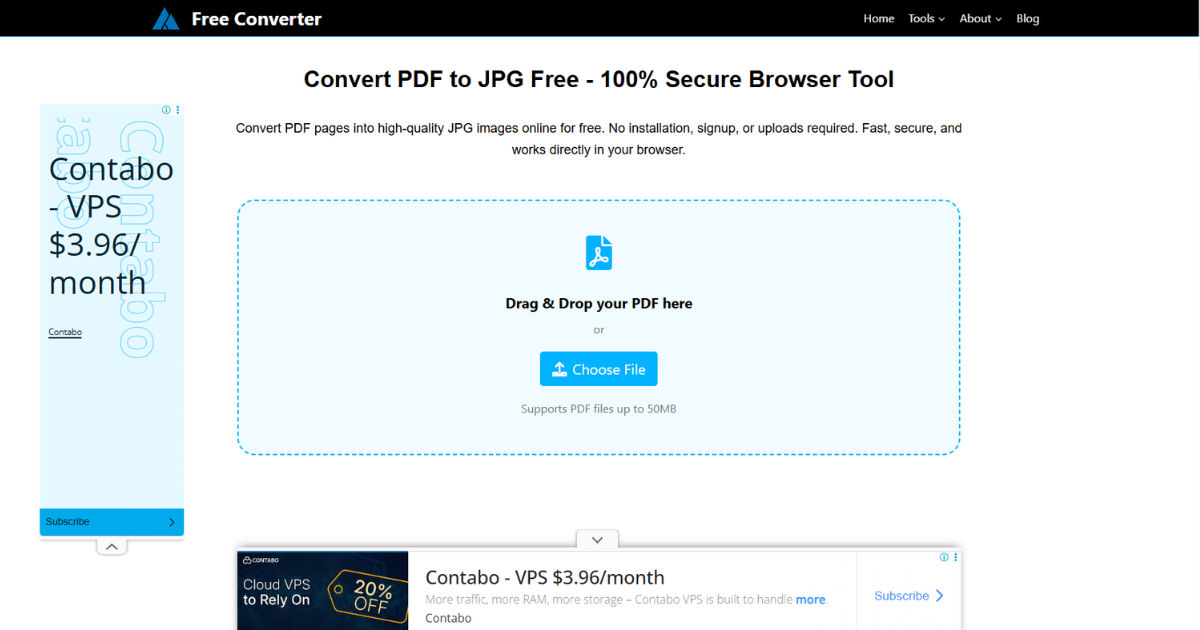
Learning pdf to image conversion is useful for students, office workers, designers, and anyone who shares documents online. In this guide, we will explore pdf to image methods that produce small file sizes while keeping good clarity.
This article will explain step-by-step techniques, tools, settings, and optimization tips. You will also learn how pdf to image conversion works behind the scenes and how to reduce file size without damaging quality. By the end, you will clearly understand pdf to image conversion on mobile, PC, and online platforms.
What Does PDF to Image Mean?
The term pdf to image refers to converting pages of a PDF file into image formats like JPG, PNG, or WEBP. When you perform pdf to image, each page becomes a separate image file.
This process is widely used because images are easier to:
- Share on WhatsApp or social media
- Upload to websites
- Insert into presentations
- View without PDF software
When done correctly, pdf to image conversion can also produce very small file sizes without losing clarity.
Why Small File Size Matters in PDF to Image
Many users struggle with large file outputs after pdf to image conversion. Large images can slow down sharing, uploading, and storage.
Small file size is important because:
- It saves mobile storage space
- It uploads faster on websites
- It reduces data usage
- It improves loading speed
- It is easier to send via email or messaging apps
The goal of pdf to image is not just conversion but optimization.
Common Image Formats Used in PDF to Image Conversion
When you perform pdf to image, the output format matters a lot.
JPG (Best for Small File Size)
JPG is the most popular format for pdf to image because:
- It compresses well
- It keeps good visual quality
- It reduces file size significantly
PNG (Best for Quality)
PNG is used in pdf to image when:
- You need high clarity
- Transparency is required
- File size is not the main concern
WEBP (Best Modern Option)
WEBP is a newer format for pdf to image:
- Very small file size
- High compression efficiency
- Good for websites
How PDF to Image Works Technically
Understanding pdf to image helps you control quality and file size better.
A PDF file contains:
- Text data
- Images
- Vector graphics
During pdf to image, each page is rendered as a visual snapshot. Then it is compressed into an image format like JPG or PNG.
The final file size depends on:
- Resolution (DPI)
- Compression level
- Image format
- Content complexity
Best Methods for PDF to Image Small File Size
There are several ways to achieve efficient pdf to image conversion. Let’s explore them.
Method 1: Using Online Tools
Online tools are the easiest way for pdf to image conversion.
Popular websites include:
- Smallpdf
- ILovePDF
- PDF2JPG
Steps:
- Open the website
- Upload your PDF
- Choose image format
- Select compression option
- Download images
Advantages:
- No software installation
- Fast processing
- Easy for beginners
Disadvantages:
- Internet required
- File size limits
- Privacy concerns
Using online tools is one of the fastest ways for pdf to image, especially for small tasks.
Method 2: Using Mobile Apps
Mobile apps make pdf to image conversion very convenient.
Popular apps include:
- Adobe Scan
- PDF Converter
- Image Converter Apps
Steps:
- Install app
- Import PDF
- Select convert option
- Choose JPG or WEBP
- Save image
Tips for Small File Size:
- Select low or medium resolution
- Choose JPG instead of PNG
- Enable compression option
Mobile apps are ideal for quick pdf to image tasks on the go.
Method 3: Using Windows (PC Method)
Windows also supports pdf to image using built-in tools and software.
Using Microsoft Print to Image:
- Open PDF
- Click Print
- Select “Microsoft Print to PDF” or image printer tools
- Choose output format
- Save as image
Using Software:
- Adobe Acrobat
- IrfanView
- GIMP
These tools give more control over pdf to image quality and size.
Method 4: Using Mac (macOS Method)
Mac users can easily perform pdf to image without third-party apps.
Steps:
- Open PDF in Preview
- Click File → Export
- Choose JPG or PNG
- Adjust quality slider
- Save file
Mac systems allow smooth pdf to image conversion with built-in tools.
How to Reduce File Size in PDF to Image
Reducing file size is the most important part of pdf to image conversion.
1. Lower the Resolution (DPI)
DPI means dots per inch.
For small file size:
- 300 DPI = High quality (large file)
- 150 DPI = Medium quality
- 72 DPI = Small file size
Lower DPI gives better pdf to image compression results.
2. Use JPG Instead of PNG
JPG is always better for small file pdf to image output.
- JPG compresses data
- PNG keeps full detail but large size
For most cases, choose JPG for pdf to image conversion.
3. Adjust Compression Settings
Many tools allow compression levels:
- High quality = large file
- Medium quality = balanced
- Low quality = small file
For pdf to image, medium compression is usually best.
4. Remove Unnecessary Pages
If your PDF has many pages:
- Convert only required pages
- Skip blank pages
This reduces total pdf to image output size.
5. Resize Image Dimensions
Smaller dimensions = smaller file size.
Example:
- 3000×4000 pixels = large file
- 1000×1500 pixels = small file
Resizing is a powerful pdf to image optimization trick.
Common Mistakes in PDF to Image Conversion
Many users make mistakes during pdf to image conversion.
1. Using Maximum Resolution Always
High resolution increases file size unnecessarily.
2. Choosing PNG for Everything
PNG is not ideal for small files in pdf to image.
3. Ignoring Compression Settings
Compression controls are often overlooked.
4. Converting Entire PDF Without Need
Extra pages increase file size.
Avoiding these mistakes improves pdf to image results.
Best Practices for High Quality and Small File Size
To get perfect pdf to image output, follow these tips:
- Use JPG format for most cases
- Keep DPI between 100–150
- Use trusted tools
- Compress after conversion
- Resize images when needed
These practices ensure balanced pdf to image quality and size.
PDF to Image for Students
Students often use pdf to image for:
- Notes sharing
- Assignment submission
- Study materials
- Online classes
Small file size helps students upload files faster and save mobile data.
PDF to Image for Office Use
In offices, pdf to image is useful for:
- Reports
- Presentations
- Email attachments
- Documentation
Small image files improve workflow efficiency.
PDF to Image for Social Media
Social media users use pdf to image to:
- Share documents visually
- Post infographics
- Upload certificates
Smaller file size ensures faster uploads and better engagement.
Troubleshooting PDF to Image Issues
Sometimes pdf to image does not work properly.
Problem: Blurry Images
Solution:
- Increase DPI slightly
- Use better conversion tool
Problem: Large File Size
Solution:
- Switch to JPG
- Reduce resolution
Problem: Slow Conversion
Solution:
- Use offline software
- Reduce PDF size before conversion
Future of PDF to Image Technology
The future of pdf to image is improving rapidly.
We can expect:
- Faster conversion speeds
- AI-based compression
- Better WEBP support
- Cloud-based optimization
These improvements will make pdf to image even more efficient.
Conclusion
Learning pdf to image conversion with small file size is an important digital skill today. Whether you are a student, professional, or casual user, mastering pdf to image helps you save storage, share files easily, and improve productivity.
The key to successful pdf to image conversion is choosing the right format, adjusting resolution, and using proper compression techniques. By following the steps in this guide, you can easily create small, high-quality images from any PDF file.
With practice, pdf to image becomes simple, fast, and highly useful in daily life. From mobile apps to desktop tools, every method has its advantages, but optimization is always the key.
No matter your purpose, smart pdf to image conversion ensures efficiency and quality together.