
Car insurance is a critical part of responsible vehicle ownership. Whether you are a first-time car owner or looking to renew your policy, understanding the car insurance services provider documentation requirements is essential.
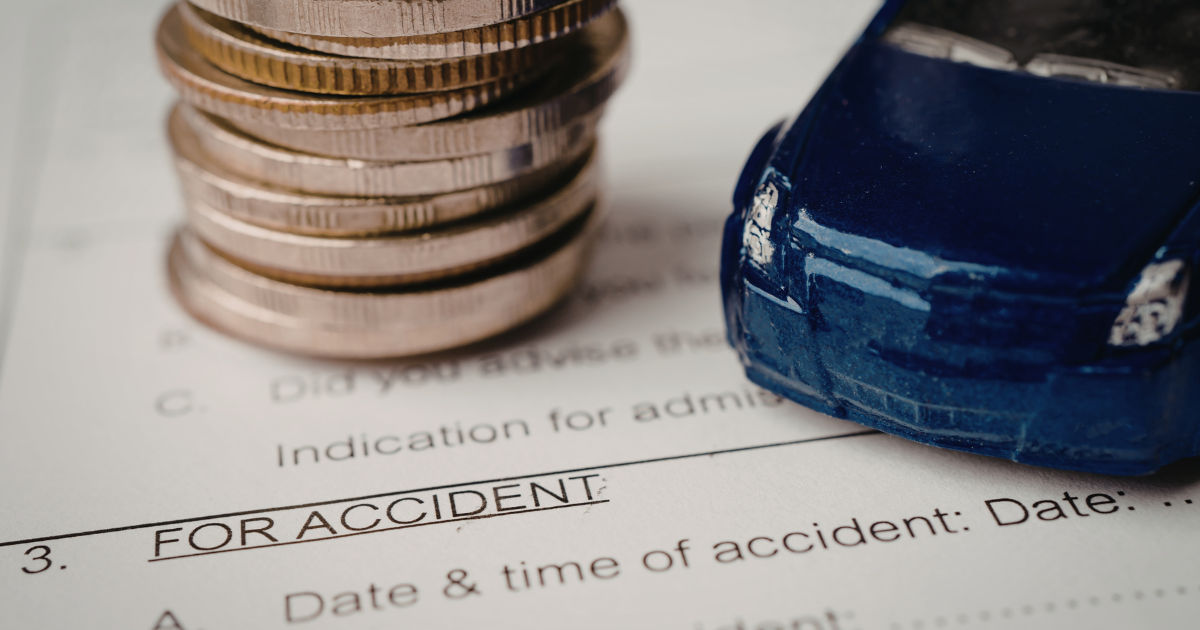
Gathering the necessary paperwork ahead of time can save you stress, car insurance services provider, and potential errors when applying for coverage. This comprehensive guide will walk you through every document you might need, why each is necessary, and tips for organizing them effectively.
Understanding Car Insurance Services Providers
Before diving into the documents, it’s essential to understand what a car insurance services provider does. These companies offer policies that protect you financially in the event of accidents, theft, natural disasters, and liability claims. They provide varying coverage types, including third-party liability, comprehensive coverage, collision, and personal injury protection.
Every insurance provider requires proper documentation to assess risk accurately and determine your premium. These documents verify your identity, vehicle details, and driving history, ensuring you receive the correct coverage.
Importance of Preparing Documents in Advance
Submitting complete documentation upfront benefits you in several ways:
-
Faster approval: Missing documents can delay policy issuance.
-
Accurate premium calculation: Insurers base your premium on the information you provide.
-
Avoid legal issues: Proper documentation protects both you and the insurance provider in case of disputes.
-
Smooth claims process: Well-maintained documents speed up future claims if needed.
Now, let’s break down the essential documents you’ll need when working with a car insurance services provider.
Personal Identification Documents
Personal identification is the first step in verifying the applicant’s identity. Insurance providers must confirm your identity to comply with regulatory and legal requirements.
Government-issued ID
A government-issued photo ID is mandatory. Examples include:
-
Passport
-
Driver’s license
-
National ID card
This document proves your legal identity and age, both crucial for determining eligibility for certain policies.
Proof of Address
Insurers also need your current address. Acceptable documents include:
-
Utility bills (electricity, water, gas)
-
Bank statements
-
Rental agreements or lease documents
Your address helps calculate risk exposure. For example, high-traffic urban areas may have higher premiums than rural areas.
Contact Information
While not always a formal document, insurers require accurate contact details, such as phone numbers and email addresses, to communicate policy updates and claims information.
Vehicle-related Documents
Vehicle verification is central to issuing a car insurance policy. The insurer must know the exact specifications and ownership details.
Vehicle Registration Certificate (RC)
The RC book or card proves ownership of the car. It contains essential information, including:
-
Vehicle make and model
-
Year of manufacture
-
Engine and chassis numbers
-
Registered owner’s details
Proof of Vehicle Purchase
Invoices or bills from the car dealer help establish the vehicle's current value. This document is crucial for comprehensive insurance coverage.
Vehicle Fitness Certificate
In some regions, a valid fitness certificate is required, especially for older vehicles. It certifies that the car is in safe operating condition.
No Objection Certificate (NOC)
If the car is financed or leased, a NOC from the financier is often required, confirming there are no pending loans or claims against the vehicle.
Driving History Documents
A car insurance services provider assesses your driving history to gauge risk. Clean driving records can lower premiums, while accidents or violations can increase them.
Driving License
Your valid driving license is essential. It proves you are legally allowed to operate the vehicle.
Past Insurance Policies
If you have had insurance previously, provide copies of past policies. These documents offer the insurer insight into your claim history and continuity of coverage.
No Claim Certificate (NCC)
A No Claim Certificate from your previous insurer can help reduce your premium, as it proves you haven’t made any claims during your past policy period.
Financial Documents
Certain financial documents may be required depending on the type of insurance policy or the insurer’s requirements.
Loan or Lease Documents
If your car is financed, the insurer may request copies of loan or lease agreements. This ensures that the financier is protected under the insurance policy.
Payment Proof
When renewing or applying for insurance, proof of payment such as bank transfer receipts, checks, or credit card statements may be required.
Tax Documents
In some cases, tax-related documents, such as registration tax receipts, can help verify vehicle ownership and legal compliance.
Coverage-specific Documents
Depending on the type of coverage you are seeking, additional documents may be needed.
Comprehensive Insurance
-
Vehicle photographs for condition verification
-
Additional vehicle accessories invoices
-
Anti-theft device certificates (if applicable)
Third-party Liability
-
Basic vehicle registration and ID documents
-
Proof of fitness and roadworthiness
Specialized Coverage
For policies covering natural disasters, personal injury, or cargo, the insurer may request additional proof, including:
-
Garage service records
-
Vehicle modification details
-
Health records (for personal injury coverage)
Claim-related Documentation
Even during a new policy application, insurers may inquire about past claims. Having previous claim documents ready is crucial.
-
Police reports for accidents
-
Repair bills or invoices
-
Claim settlement letters
These documents help the car insurance services provider determine your risk profile and calculate premiums accurately.
Digital vs. Physical Copies
Most insurers today accept digital copies of documents. Scanned PDFs, clear photographs, and emails are often sufficient. However, keeping physical copies is still wise. Physical documents can be necessary for verification during claims or policy disputes.
Tips for Document Organization
-
Use labeled folders for each category: personal, vehicle, financial, and claims.
-
Keep copies of all submitted documents.
-
Maintain a checklist to ensure no document is missing.
-
Update documents regularly, especially IDs, licenses, and vehicle fitness certificates.
Common Mistakes to Avoid
Even small errors can delay the insurance process. Common mistakes include:
-
Submitting expired documents
-
Providing incorrect vehicle details
-
Missing signatures on forms
-
Ignoring supplementary documents required for comprehensive policies
Double-checking documents before submission reduces the chance of rejection or delays.
Working with Your Car Insurance Services Provider
Once your documents are ready, submitting them to your chosen car insurance services provider is straightforward. Most providers have online portals or in-person submission processes.
Online Submission
-
Scan or photograph all documents clearly.
-
Follow portal instructions precisely for uploads.
-
Keep confirmation receipts of submissions.
In-person Submission
-
Carry original documents along with copies.
-
Request acknowledgment receipts.
-
Ensure staff verifies all details before leaving.
Why Accurate Documentation Matters
Accurate and complete documentation benefits both you and the car insurance services provider.
-
Ensures correct premium calculation
-
Facilitates faster claims
-
Protects against legal disputes
-
Enhances trust and relationship with the insurer
Insurers rely on your documents to assess risk, so mistakes or missing papers can lead to delays, higher premiums, or even policy denial.
Conclusion
Preparing and submitting the correct documents to a car insurance services provider is a crucial step in securing reliable vehicle insurance. From personal identification and vehicle ownership papers to financial and claims history, each document plays an important role in risk assessment and premium determination.
Organizing documents into clear categories, keeping updated copies, and avoiding common mistakes can streamline the process. Whether you are buying insurance for the first time or renewing an existing policy, having the right documents ready ensures smooth processing, accurate premiums, and quicker claims in the future.
Taking the time to understand documentation requirements demonstrates responsible ownership and protects you financially. By following this comprehensive guide, you will be well-prepared to interact confidently with your car insurance services provider and enjoy peace of mind knowing your vehicle is properly insured.