
Dosa is one of the most beloved South Indian dishes, famous for its crispiness and versatility. Whether enjoyed with chutney, sambar, or just plain, making the perfect dosa at home can be both an art and a science.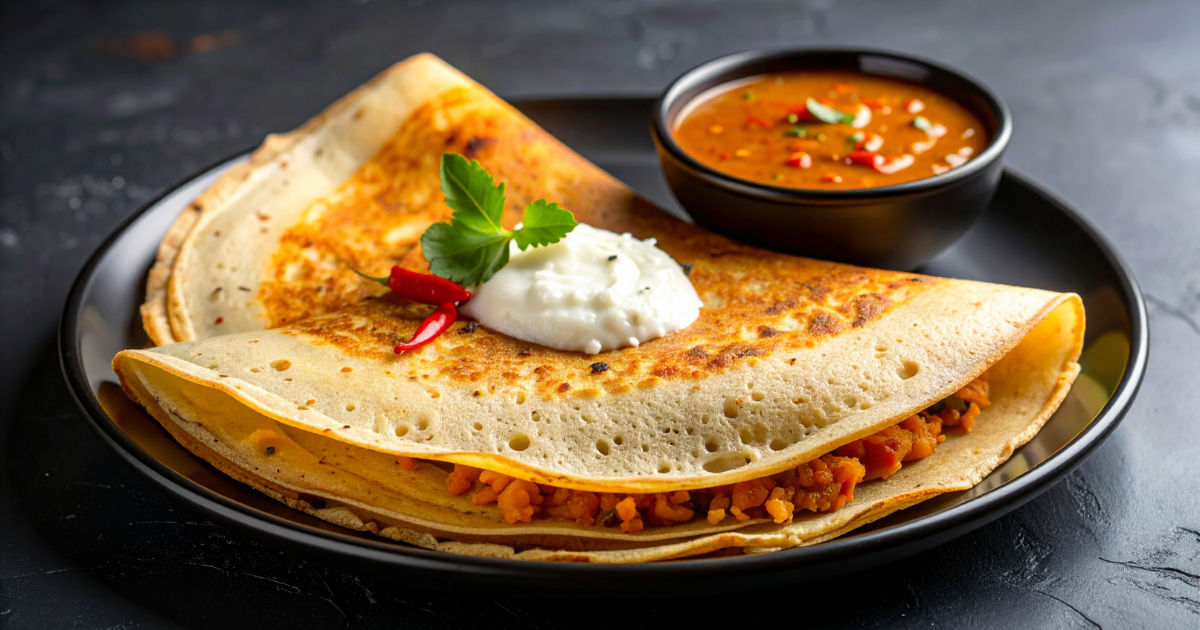
If you live in Karachi, places like Mirchili Karachi are popular for serving delicious dosas, but imagine recreating that perfect crispy dosa in your own kitchen.
This guide will walk you through every step, from batter preparation to cooking techniques, ensuring your dosas come out golden, crispy, and delicious every time.
Understanding the Basics of Dosa
Dosa is a type of fermented pancake made from rice and urad dal (split black gram). The fermentation process is crucial as it gives dosa its tangy flavor and airy texture. Many people struggle with dosa at home because of batter inconsistencies, improper fermentation, or cooking techniques. Once you understand these fundamentals, perfecting dosa becomes much easier.
Ingredients Needed
To make plain dosa, you only need a few ingredients:
-
3 cups of rice (preferably parboiled or idli rice)
-
1 cup of urad dal (split black gram)
-
½ teaspoon fenugreek seeds (optional, helps in fermentation)
-
Salt to taste
-
Water for soaking and grinding
-
Oil or ghee for cooking
These simple ingredients, when combined correctly, can produce a dosa that rivals restaurants like Mirchili Karachi.
Preparing the Batter
The key to a crispy dosa lies in the batter. Here’s a step-by-step approach:
-
Soaking: Soak the rice and urad dal separately in water for 4-6 hours. Fenugreek seeds can be added to the urad dal while soaking. This softens the grains and makes grinding easier.
-
Grinding: Drain the soaked ingredients. Grind the urad dal first to a smooth and fluffy batter using minimal water. Next, grind the rice to a slightly coarse texture. Combine both batters in a large bowl.
-
Fermentation: Add salt to the batter, mix well, and let it ferment in a warm place for 8-12 hours. The batter should double in volume and have tiny air bubbles when ready. Proper fermentation ensures crispiness and the tangy flavor that makes dosa so enjoyable.
Tips for Perfect Batter
-
Use cold water while grinding urad dal to make the batter fluffy.
-
Avoid over-grinding rice; slightly coarse rice helps in crispiness.
-
Fermentation depends on the temperature. If it’s cold, keep the batter in an oven with the light on or near a warm spot.
-
Once fermented, the batter can be refrigerated for 2-3 days. Bring it to room temperature before making dosa.
Choosing the Right Pan
The pan or tawa plays a huge role in dosa quality. A cast iron or non-stick pan works best. Cast iron retains heat well, giving a golden crisp surface, while non-stick makes flipping easier for beginners. Ensure your pan is hot but not smoking before pouring the batter.
Seasoning the Pan
-
Wipe the pan with a few drops of oil using a paper towel.
-
Heat on medium flame for 2-3 minutes before pouring the batter.
-
A well-seasoned pan reduces sticking and enhances dosa crispiness.
Even if you cannot visit Mirchili Karachi, a properly seasoned pan at home can produce similar results.
Spreading the Batter
Spreading dosa batter evenly is an art. Use a ladle to pour the batter in the center of the pan and spread in a circular motion from the center outward. Keep the layer thin for a crisp dosa. Thick dosa tends to be soft and less crispy.
Common Spreading Mistakes
-
Pouring too much batter: Leads to thick and soft dosa.
-
Not swirling quickly: Batter may stick and tear.
-
Uneven surface: Dosa may cook unevenly, leaving some parts soggy.
Cooking the Dosa
Once the batter is spread, let it cook for 1-2 minutes on medium flame. You will notice bubbles forming on the surface, signaling readiness. Drizzle a few drops of oil or ghee around the edges. This step is crucial for crispiness.
Do not flip the dosa; plain dosa is cooked on one side. The bottom should turn golden brown with a crispy texture.
Checking Crispiness
Gently lift the edge using a spatula. A perfectly crispy dosa should lift easily without tearing. If it feels soggy, cook for a few more seconds.
Serving the Dosa
Serve hot dosa immediately with chutneys like coconut, tomato, or coriander, and sambar. For an authentic experience like Mirchili Karachi, pair with a simple potato masala filling. Plain dosa is versatile and can be enjoyed with multiple side dishes.
Tips for Serving
-
Serve immediately; dosa loses crispiness if it sits too long.
-
Avoid stacking dosas; they steam and soften.
-
Keep a warm oven to store cooked dosas briefly if making multiple servings.
Troubleshooting Common Problems
Even experienced cooks sometimes face dosa challenges. Here’s how to fix them:
-
Dosa sticks to the pan
-
Ensure pan is properly heated and lightly oiled.
-
Batter should not be too watery; adjust water while grinding.
-
-
Dosa is soft, not crispy
-
Spread a thin layer of batter.
-
Cook on medium-high heat; avoid low flame.
-
-
Batter doesn’t ferment
-
Check room temperature; use a warm spot.
-
Add a pinch of baking soda as a last resort.
-
-
Dosa tears while spreading
-
Batter may be too thick; add a little water.
-
Pan may not be hot enough.
-
Enhancing Flavor Without Complexity
While plain dosa is delicious, you can slightly enhance flavor:
-
Add a pinch of salt to the batter before cooking.
-
Mix a teaspoon of cooked rice in the batter for extra crispiness.
-
Use ghee instead of oil for a rich aroma.
Even without spices, these small adjustments elevate the taste, bringing it closer to restaurant-quality dosa like that from Mirchili Karachi.
Making Dosa Healthier
Dosa can be a healthy meal option:
-
Use brown rice or millet for a nutritious twist.
-
Avoid excess oil; a light drizzle is enough.
-
Serve with vegetable-filled chutneys or sambar to increase fiber and nutrients.
This way, you enjoy a guilt-free, crispy, and delicious breakfast or dinner.
Storing and Reusing Batter
Fermented dosa batter can be stored for 2-3 days in the fridge. Keep it airtight. Before making dosas again, bring the batter to room temperature and stir gently. Avoid over-stirring as it may collapse air bubbles, reducing crispiness.
Freezing Batter
You can freeze dosa batter for up to a month. Thaw in the fridge overnight and bring to room temperature before use. This is convenient for busy households.
Making Dosai Like a Pro
Some extra pro tips to perfect dosa:
-
Rotate the pan while spreading batter for even thickness.
-
Maintain medium-high heat; too low or too high can ruin texture.
-
Use a wide spatula to lift edges and check doneness.
-
Practice makes perfect: the more you make, the better your technique.
Even professional chefs at places like Mirchili Karachi rely on consistency, heat control, and proper batter to create perfect dosas every day.
Pairing Dosa with Chutney and Sambar
Plain dosa tastes best with a variety of accompaniments:
-
Coconut Chutney: Creamy and mildly sweet.
-
Tomato Chutney: Tangy and spicy.
-
Sambar: Lentil and vegetable stew adds protein and flavor.
These pairings complement the crispy texture of dosa and elevate your homemade breakfast or snack experience.
Frequently Asked Questions
Can I make dosa without fermentation?
Yes, but it won’t be as airy or tangy. Quick dosa recipes use baking soda or yogurt, but traditional flavor comes from fermentation.
Why is my dosa soft instead of crispy?
Batter thickness, pan heat, and oil quantity are usually the culprits. Use a thin layer of batter and cook on medium-high heat.
Can I use a non-stick pan?
Yes, non-stick pans make spreading easier for beginners. However, cast iron provides better heat retention and flavor.
How to get dosa extra crispy?
Use slightly coarse rice, spread batter thinly, and drizzle oil/ghee around edges while cooking.
Conclusion
Making the perfect crispy plain dosa at home is achievable with the right ingredients, proper fermentation, and cooking techniques. By soaking, grinding, and fermenting rice and urad dal correctly, you create a batter that is airy, flavorful, and versatile. A well-heated, seasoned pan ensures that your dosa cooks evenly, resulting in a golden, crispy delight.
Even if you enjoy dosas from restaurants like Mirchili Karachi, mastering dosa at home gives you the satisfaction of crafting a dish from scratch. With practice, attention to detail, and understanding the science behind fermentation and cooking, anyone can create dosas that are crispy, delicious, and restaurant-quality. Serve them hot with your favorite chutneys and sambar, and you have a meal that is both comforting and satisfying.
Homemade dosa is not just a dish; it is a culinary experience that connects you with tradition while giving you the joy of cooking. The crispiness, aroma, and taste make it a favorite across generations, and once perfected, it becomes a staple in your home kitchen.