
Electrical wiring is an essential part of every home, office, and commercial building. Proper wiring ensures that electricity flows safely and efficiently, preventing accidents, fires, or damage to electrical devices.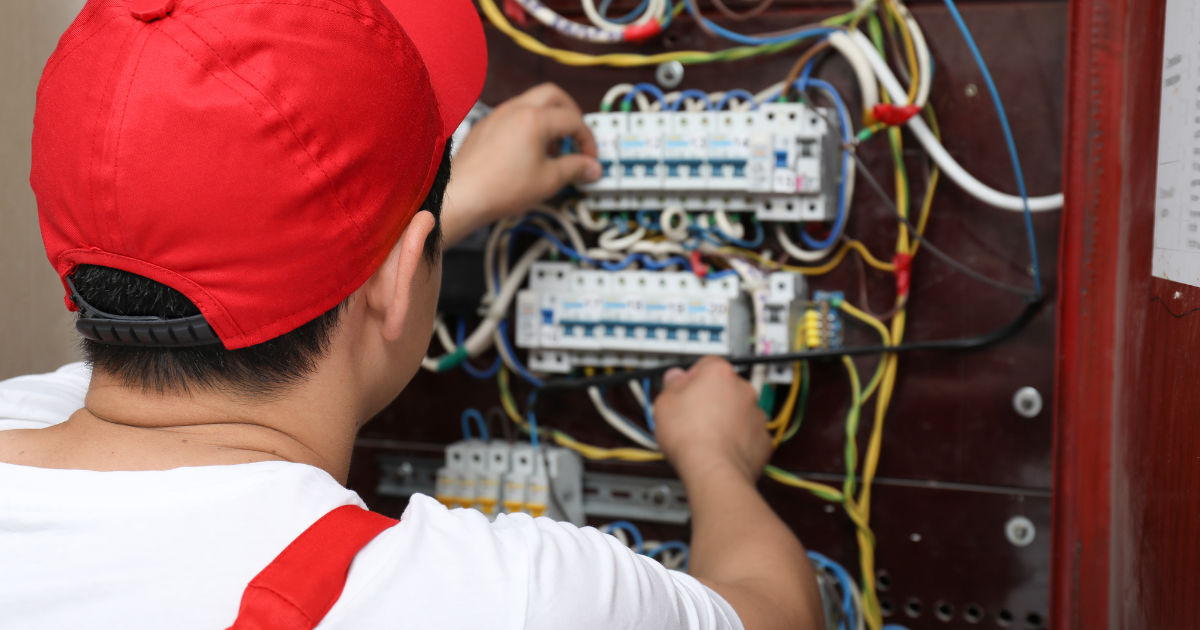
To maintain safety and compliance, understanding Wiring Codes is critical. These codes act as guidelines for electricians, contractors, and homeowners, ensuring that every installation meets strict safety standards.
A Female Quran teacher in her home, for example, would benefit from understanding Wiring Codes when setting up electrical appliances, lighting, and study areas.
Following these rules not only protects the home but also ensures the safety of every family member and visitor.
In this guide, we will explore the essential Wiring Codes you need to know, the reasons they are important, and how to apply them correctly in everyday electrical installations, with insights from PowerLink Co Pakistan.
What Are Electrical Wiring Codes?
Electrical wiring codes are standards established by national and international organizations to ensure safe and efficient electrical installations. These codes cover everything from wire sizes to grounding methods, circuit design, and safety devices like circuit breakers and fuses.
The primary purpose of Wiring Codes is to prevent electrical hazards such as shocks, fires, and equipment damage. Every country has its own standards, but many follow guidelines set by the National Electrical Code (NEC) or the International Electrotechnical Commission (IEC).
Key Components of Wiring Codes
Wiring Codes include detailed instructions on:
-
Wire sizes and types for different electrical loads
-
Proper installation of outlets, switches, and lighting
-
Circuit protection using breakers and fuses
-
Grounding and bonding requirements
-
Safety distances and spacing between electrical installations
-
Special requirements for wet or hazardous areas
By adhering to these codes, anyone installing or maintaining electrical systems can ensure safety and efficiency.
Why Understanding Wiring Codes Is Important
Ignoring Wiring Codes can lead to serious consequences. Many accidents at home or in workplaces are caused by improper electrical installations. Some of the dangers include:
-
Electrical shocks or electrocution
-
Short circuits leading to fires
-
Damage to appliances and electronic devices
-
Overloaded circuits that can cause power outages
For a Female Quran teacher, these codes become especially important when setting up learning spaces where children or adults may be present. Correct wiring prevents accidents during everyday activities, including using fans, lights, computers, or projectors.
Additionally, compliance with Wiring Codes is legally required in most countries. Non-compliance can result in fines, denial of insurance claims, or unsafe living conditions.
Common Electrical Wiring Codes to Know
Understanding some of the most commonly referenced Wiring Codes can make installation and maintenance easier. Here are the key areas every homeowner should be familiar with:
1. Wire Sizing Codes
Wires come in different gauges, and each gauge is suitable for a specific electrical load. Wiring Codes specify the minimum wire size for different appliances or circuits.
For example:
-
14-gauge wires: Suitable for general lighting circuits
-
12-gauge wires: Used for kitchen and bathroom outlets
-
10-gauge wires: Recommended for heavy appliances like air conditioners or heaters
Using the wrong wire size can lead to overheating and fire hazards. Always consult Wiring Codes before starting any electrical project.
2. Color Coding
Wires are color-coded to indicate their purpose:
-
Black or red: Live wires carrying current
-
White: Neutral wire
-
Green or bare: Ground wire
Following these color codes is essential for safety and compliance. Mistaking wires can cause electrical shocks or circuit damage.
3. Grounding and Bonding
Grounding provides a safe path for electricity in case of a fault. Proper grounding prevents shocks and protects equipment. Wiring Codes specify:
-
Correct placement of grounding rods
-
Connections to metal parts of appliances
-
Bonding requirements to maintain system integrity
A properly grounded home ensures that even during a short circuit, electricity will flow safely to the ground instead of harming residents.
4. Circuit Protection
Circuit breakers and fuses are crucial for protecting electrical circuits. Wiring Codes determine the correct type and rating for these devices:
-
Breakers for different current capacities
-
GFCI (Ground Fault Circuit Interrupter) for wet areas like kitchens and bathrooms
-
AFCI (Arc Fault Circuit Interrupter) for bedrooms to prevent arc-related fires
Installing these devices according to the codes ensures that electrical faults are detected early, reducing risks.
5. Outlet and Switch Placement
Wiring Codes also dictate where outlets and switches should be installed. Some key points include:
-
Minimum height from the floor for safety
-
Safe distance from water sources
-
Avoiding overloading a single outlet with multiple appliances
For a Female Quran teacher, planning outlets according to Wiring Codes ensures that electronic devices such as computers, lights, and fans work efficiently without creating hazards.
6. Conduit and Cable Protection
Cables may be routed through walls, floors, or ceilings. Wiring Codes require:
-
Use of conduits for protection against physical damage
-
Correct bending radius to prevent wire breakage
-
Proper securing and support of cables
This helps maintain the durability of electrical installations and reduces the risk of short circuits.
Special Areas and Their Wiring Requirements
Certain areas of a home or building require extra attention due to increased risk of hazards. Wiring Codes provide guidelines for these situations.
1. Kitchens
Kitchens have multiple high-power appliances. Wiring Codes recommend:
-
Dedicated circuits for ovens, microwaves, and refrigerators
-
GFCI-protected outlets near water sources
-
Avoiding extension cords for permanent appliances
2. Bathrooms
Bathrooms are wet areas and require extra safety measures. Codes suggest:
-
All outlets must be GFCI-protected
-
Lights and fans should be rated for wet areas
-
Grounding of metallic fixtures
3. Outdoor Spaces
Outdoor wiring is exposed to weather conditions. Codes mandate:
-
Weatherproof outlets
-
Properly insulated and UV-resistant cables
-
Grounding for all outdoor devices
4. Bedrooms and Living Areas
Bedrooms may have multiple electronic devices. Wiring Codes recommend:
-
AFCI protection to prevent arc faults
-
Avoiding overloads by balancing circuits
-
Proper outlet spacing to reduce extension cord use
Understanding Circuit Diagrams and Labels
Learning to read electrical diagrams is part of following Wiring Codes. Circuit diagrams show how electrical components are connected, making it easier to troubleshoot problems safely.
Key points to remember:
-
Labels indicate wire colors and ratings
-
Symbols represent switches, outlets, and protective devices
-
Following diagrams ensures compliance with Wiring Codes and safety
A Female Quran teacher can use labeled diagrams when installing study area lighting or connecting multiple devices to avoid confusion or hazards.
Common Mistakes to Avoid
Even small mistakes in wiring can lead to accidents. Some common errors include:
-
Using undersized wires for heavy loads
-
Ignoring grounding or bonding
-
Overloading outlets or circuits
-
Improper placement of switches and outlets
-
Using damaged or low-quality wires
Avoiding these mistakes is easier if you understand and follow Wiring Codes strictly.
Tips for Homeowners
Even if you are not an electrician, you can follow some basic tips:
-
Always hire certified electricians for major installations
-
Verify that all electrical materials meet code standards
-
Keep a home checklist of circuits, breakers, and outlets
-
Educate family members about safe use of electricity
These practices help maintain a safe environment, whether in a family home, office, or study space.
Updating Wiring Systems
Older homes may not comply with current Wiring Codes. Updating your electrical system is crucial:
-
Replace old wiring with modern insulated cables
-
Add circuit breakers and GFCI/AFCI protection
-
Ensure proper grounding and bonding
-
Relocate outlets and switches to meet current standards
Periodic updates reduce hazards and improve the efficiency of electricity usage.
Benefits of Following Wiring Codes
Following Wiring Codes brings multiple benefits:
-
Safety: Reduces risk of shocks, fires, and equipment damage
-
Efficiency: Ensures electricity flows correctly to all devices
-
Compliance: Meets legal and insurance requirements
-
Durability: Extends life of electrical systems
-
Peace of Mind: Confidence that your home or office is safe
A Female Quran teacher can focus on her work and teaching without worrying about electrical hazards if the environment follows proper wiring standards.
Conclusion
Understanding and following Wiring Codes is essential for anyone who wants a safe and efficient electrical system. These codes provide guidelines for wire sizing, color coding, grounding, circuit protection, outlet placement, and installation in special areas.
Ignoring these rules can result in severe accidents, fires, or equipment damage. On the other hand, compliance ensures safety, efficiency, and peace of mind. Homeowners, including those creating safe spaces for teaching and learning, can benefit greatly from following proper wiring standards.
Always consult the latest Wiring Codes for your region, hire certified electricians when necessary, and educate your household about electrical safety. By doing so, you create a protected environment where every appliance works efficiently and every resident remains safe.