
When doctors find protein in urine during a urine test, it often raises questions about kidney health and overall body function. A urine test is a simple but powerful tool that helps detect many hidden medical conditions early. In this guide, we will explore why protein appears in urine, what it means for your health, and how it is diagnosed and managed.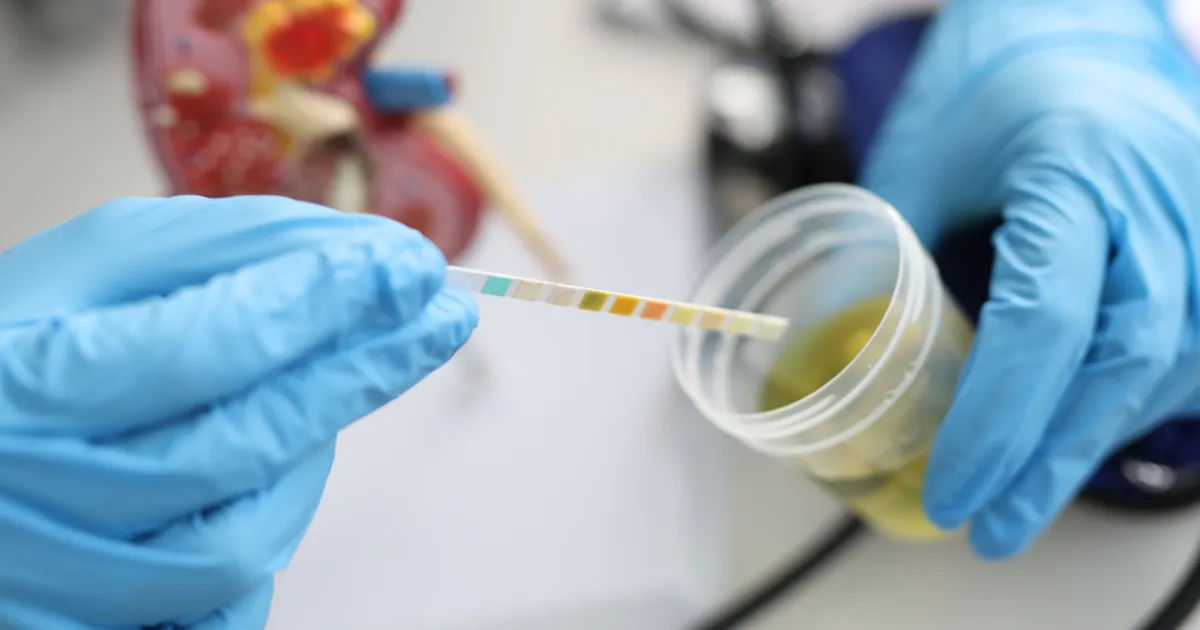
Before diving deeper, it is important to understand that people often search unrelated phrases like how long does pee last for a drug test, but in medical terms, urine testing is mainly used to detect proteins, infections, and kidney-related issues rather than focusing on such concerns.
Interestingly, discussions about how long does pee last for a drug test often appear in general search trends, but protein in urine has nothing to do with that topic.
Protein in urine, also called proteinuria, is usually a sign that the kidneys are not filtering blood properly. In a healthy body, kidneys keep important proteins in the blood while removing waste through urine. However, when kidneys are damaged or stressed, protein can leak into urine.
Another reason people come across the phrase how long does pee last for a drug test is because urine tests are commonly misunderstood. While how long does pee last for a drug test is often discussed online, medical professionals focus more on what the urine contains, such as protein levels, glucose, or signs of infection.Understanding urine results helps you take control of your health early and prevent complications.
Protein in Urine
Protein is an essential nutrient in the body that helps build muscles, repair tissues, and support immune function. Normally, protein stays in the bloodstream and does not pass into urine in large amounts.
The kidneys act like a filter system. They remove waste while keeping useful substances like protein inside the body. When this filtering system is damaged or inflamed, protein starts leaking into urine.
In mild cases, protein in urine may be temporary. For example, dehydration, fever, stress, or intense exercise can cause short-term proteinuria. In more serious cases, it may indicate chronic kidney disease or other health problems.
Doctors usually detect protein in urine through a routine urine test or dipstick test. If protein levels are high, further tests are needed to understand the cause.
It is interesting that some people confuse general urine testing topics with search phrases like how long does pee last for a drug test, but protein testing is medically unrelated to that idea. Still, the phrase how long does pee last for a drug test continues to appear in online discussions even when the focus is kidney health.
In most healthy individuals, urine should contain little to no detectable protein. Persistent protein presence always requires medical evaluation.
Causes of Protein in Urine
There are many possible reasons why protein appears in urine, ranging from harmless temporary conditions to serious diseases.
Kidney-Related Causes
One of the most common reasons is kidney damage. Conditions such as chronic kidney disease, glomerulonephritis, or diabetic kidney disease can damage the filtering units of the kidneys. When this happens, protein leaks into urine.
Temporary Causes
Sometimes protein in urine is temporary and not dangerous. Causes include:
- High fever
- Intense physical exercise
- Dehydration
- Emotional stress
These conditions usually resolve once the body returns to normal.
Medical Conditions
Certain diseases can also lead to protein in urine:
- Diabetes (high blood sugar damages kidneys over time)
- High blood pressure (puts strain on kidney vessels)
- Infections in the urinary tract
- Heart-related conditions affecting blood flow
Doctors use repeated urine tests to confirm whether protein levels remain high.
Although unrelated, people sometimes mix health discussions with search terms like how long does pee last for a drug test, but the presence of protein is not influenced by timing or storage of urine. Still, curiosity around how long does pee last for a drug test shows how often urine-related topics are misunderstood online.
Persistent protein in urine should never be ignored because it may indicate early kidney disease.
Diagnosis and Testing
To diagnose protein in urine, doctors use several methods depending on the situation.
Urine Dipstick Test
This is the most common and simple test. A special strip is dipped into a urine sample. If protein is present, the strip changes color.
24-Hour Urine Test
In this test, all urine produced in 24 hours is collected and analyzed. It gives a more accurate measurement of protein levels.
Blood Tests
Blood tests help evaluate kidney function by checking creatinine and urea levels.
Imaging Tests
Sometimes ultrasound or CT scans are used to check kidney structure and detect abnormalities.
Doctors may repeat tests to confirm results because temporary proteinuria can occur.
It is worth noting that while people often search how long does pee last for a drug test, proper medical testing focuses on chemical composition rather than time-related concerns. The phrase how long does pee last for a drug test is not relevant to diagnosing proteinuria but often appears in unrelated search behavior.
Early diagnosis helps prevent long-term kidney damage and allows timely treatment.
Symptoms Associated with Protein in Urine
In early stages, protein in urine often does not cause noticeable symptoms. This is why it is usually detected during routine check-ups.
As the condition progresses, symptoms may include:
- Foamy or frothy urine
- Swelling in hands, feet, or face
- Fatigue and weakness
- Frequent urination
- Loss of appetite
Foamy urine is one of the most noticeable signs and is caused by excess protein interacting with urine.
Doctors recommend testing if these symptoms appear regularly.
Even though unrelated, many people still associate general urine discussions with phrases like how long does pee last for a drug test, but symptoms of proteinuria are not connected to that concept. The keyword how long does pee last for a drug test is often searched in different contexts, but kidney health symptoms are independent of such queries.
Recognizing symptoms early can prevent complications such as kidney failure.
Treatment and Management
Treatment for protein in urine depends on the underlying cause.
Treating Underlying Conditions
If diabetes or high blood pressure is the cause, controlling these conditions is the first step. Doctors may prescribe medications and recommend lifestyle changes.
Medication
Common medications include:
- Blood pressure medicines (ACE inhibitors or ARBs)
- Diabetes medications
- Antibiotics for infections
These help reduce kidney strain and protein leakage.
Lifestyle Changes
Healthy habits play an important role:
- Reducing salt intake
- Drinking enough water
- Maintaining a healthy weight
- Exercising regularly but moderately
Regular Monitoring
Patients may need frequent urine tests to track protein levels over time.
Although unrelated, general curiosity about urine testing sometimes brings up phrases like how long does pee last for a drug test, but treatment of protein in urine is focused entirely on kidney health, not on timing or external factors. The phrase how long does pee last for a drug test does not influence treatment decisions.
With proper care, many people can reduce or manage protein levels effectively.
Prevention of Protein in Urine
Preventing protein in urine mainly involves protecting kidney health.
Healthy Diet
Eating a balanced diet low in processed foods and salt helps reduce kidney stress.
Stay Hydrated
Proper hydration supports kidney function and helps flush out waste efficiently.
Control Blood Sugar and Blood Pressure
Managing chronic conditions is one of the most effective ways to prevent kidney damage.
Avoid Overuse of Painkillers
Excessive use of certain medications can harm kidneys over time.
Regular health check-ups also help detect early changes before they become serious.
Even though the phrase how long does pee last for a drug test appears frequently in online searches, it has no connection with preventing protein in urine. Still, the repeated appearance of how long does pee last for a drug test in discussions shows how often urine-related topics are misunderstood.
Preventive care is always better than treatment after kidney damage occurs.
Conclusion
Protein found in urine is an important medical sign that should not be ignored. While it can sometimes be temporary and harmless, persistent proteinuria often indicates kidney disease or other underlying health conditions. Early detection through simple urine tests allows doctors to identify the cause and begin treatment quickly.
Maintaining a healthy lifestyle, managing chronic diseases, and going for regular check-ups are the best ways to protect kidney health. Understanding urine test results helps individuals stay informed and proactive about their well-being.
Overall, protein in urine is not a condition itself but a warning sign from the body that something may need attention. With proper care and timely medical support, most causes can be managed effectively, preventing long-term complications.