
If you explore global street food culture, you will quickly notice how popular arabic appetizers are in gatherings, restaurants, and home dining. One of the most loved items among arabic appetizers is falafel, a crispy, flavorful dish made mainly from chickpeas or fava beans.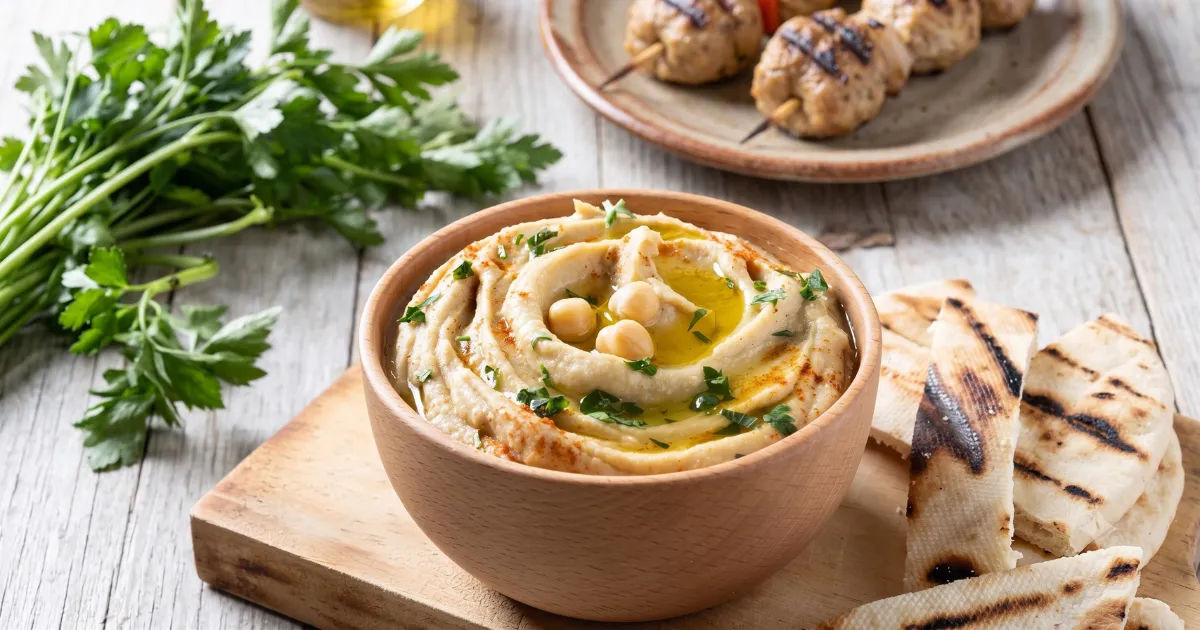
Many people enjoy it without even realizing how deeply it is connected to traditional arabic appetizers served across the Middle East.Falafel is not just a snack. It is part of a larger culinary tradition where small plates, dips, and finger foods create a shared dining experience.
In this guide, you will learn exactly which arabic appetizers include falafel, how it is served, and why it remains such an important part of Middle Eastern food culture.
What Is Falafel?
Falafel is a deep-fried ball or patty made from ground chickpeas, herbs, garlic, and spices. In some regions, fava beans are also used. It is crunchy on the outside and soft on the inside, making it one of the most popular items in arabic appetizers.
Falafel is usually served hot and freshly fried. It is often placed inside pita bread or arranged on appetizer platters with dips like hummus and tahini.
Falafel is considered both street food and a key part of traditional arabic appetizers, especially in Levantine cuisine. Its simplicity, affordability, and rich flavor make it widely loved across countries.
Falafel in Arabic Appetizers Platters (Mezze)
One of the most common ways falafel appears is in mezze platters. Mezze refers to a variety of small dishes served together before the main meal. These platters are central to arabic appetizers culture.
In a mezze spread, falafel is usually served alongside:
- Hummus
- Baba ghanoush
- Pickled vegetables
- Fresh salads
- Olives
- Flatbread
Falafel adds texture and protein to these platters. It balances creamy dips with a crunchy bite, making arabic appetizers more satisfying and complete.
In many restaurants, mezze platters are shared among guests, creating a social dining experience where arabic appetizers like falafel become the highlight of the table.
Falafel in Sandwiches and Wraps
Another popular category of arabic appetizers that includes falafel is sandwiches and wraps. Although these are more filling than typical appetizers, they are still often served in starter menus or street food sections.
Falafel wraps usually include:
- Warm pita bread
- Tahini or garlic sauce
- Fresh vegetables like lettuce, tomato, and cucumber
- Pickles for tanginess
In this form, falafel becomes portable and easy to eat on the go. Street vendors across the Middle East serve falafel wraps as part of everyday arabic appetizers, making them accessible to students, workers, and travelers.
Even though it is more filling, the wrap format still keeps falafel within the category of arabic appetizers in many casual dining settings.
Falafel in Street Food Culture
Street food is one of the strongest expressions of arabic appetizers, and falafel plays a major role in it. In cities like Cairo, Beirut, and Amman, falafel stalls are extremely common.
Street-style falafel is usually:
- Freshly fried in large batches
- Served in paper wraps or pita pockets
- Paired with spicy sauces and pickles
This version of falafel is quick, affordable, and flavorful. It represents how arabic appetizers are not only part of formal dining but also everyday life.
Street vendors often prepare falafel continuously throughout the day because demand is high. This shows how deeply rooted it is in the culture of arabic appetizers.
Falafel in Breakfast Mezze
In some regions, falafel is also served as part of breakfast mezze. This may surprise people who are used to lighter breakfast foods, but in Middle Eastern cuisine, savory breakfasts are common.
Breakfast-style arabic appetizers may include:
- Falafel
- Labneh (strained yogurt)
- Olives
- Fresh herbs
- Tomatoes and cucumbers
- Warm bread
Falafel provides energy and protein, making it a filling morning option. In this setting, arabic appetizers like falafel are not just starters but part of a full breakfast spread.
This tradition is especially common in Levantine countries where mezze culture is deeply integrated into daily meals.
Regional Variations of Falafel in Arabic Appetizers
Different regions prepare falafel in slightly different ways, which affects how it appears in arabic appetizers.
Levant Style
In countries like Lebanon, Syria, and Jordan, falafel is usually made with chickpeas and fresh herbs. It is light, green inside, and very crispy. It is a staple in arabic appetizers platters.
Egyptian Style
In Egypt, falafel is often made with fava beans instead of chickpeas. It is called “ta’ameya” locally and has a softer texture. It is also a major part of traditional arabic appetizers served at breakfast and lunch.
Gulf Style
In Gulf countries, falafel is often served in modern presentations, including fusion mezze platters and gourmet arabic appetizers menus in hotels and restaurants.
Each variation keeps falafel relevant while adapting it to local tastes.
Falafel with Dips and Sauces
Falafel is rarely served alone in arabic appetizers. It is usually paired with dips that enhance its flavor.
Common dips include:
- Hummus
- Tahini sauce
- Garlic sauce
- Spicy chili paste
These dips make falafel more flavorful and add variety to arabic appetizers spreads. The combination of crispy falafel and creamy dips is one of the most satisfying elements of Middle Eastern cuisine.
Many people enjoy mixing different dips to customize their experience with arabic appetizers.
Falafel in Vegetarian Arabic Appetizers
Falafel is especially important in vegetarian versions of arabic appetizers. Since it is made from chickpeas or fava beans, it provides plant-based protein.
Vegetarian mezze often includes:
- Falafel
- Hummus
- Mutabbal (eggplant dip)
- Stuffed grape leaves
- Fresh salads
In vegetarian arabic appetizers, falafel often becomes the main protein source. This makes it essential for people who do not eat meat but still want a filling and flavorful meal.
Its versatility is one reason falafel remains a global favorite among arabic appetizers.
Health Perspective of Falafel in Arabic Appetizers
Falafel can be both healthy and indulgent depending on how it is prepared. In traditional arabic appetizers, falafel is deep-fried, which increases calorie content.
However, it also has benefits:
- High in plant-based protein
- Rich in fiber
- Contains herbs and spices with antioxidants
- Keeps you full for longer
Some modern versions of arabic appetizers now include baked falafel, which reduces oil content while keeping flavor intact.
When balanced with fresh vegetables and dips, falafel can be part of a nutritious arabic appetizers meal.
Why Falafel Is So Popular in Arabic Appetizers
Falafel’s popularity in arabic appetizers comes from several factors:
- It is affordable and easy to make
- It uses simple, natural ingredients
- It works in many different dishes
- It appeals to vegetarians and non-vegetarians alike
- It has a rich, satisfying flavor
Because of these qualities, falafel has become a symbol of arabic appetizers worldwide. It is now served in restaurants across Europe, America, and Asia, not just in the Middle East.
Its global spread shows how influential arabic appetizers have become in international cuisine.
Serving Ideas for Falafel in Arabic Appetizers
If you want to serve falafel as part of arabic appetizers at home, here are some simple ideas:
- Serve with hummus and pita bread
- Create a mezze platter with multiple dips
- Add fresh vegetables for crunch
- Include pickles for contrast
- Offer different sauces for variety
These combinations make arabic appetizers more interactive and enjoyable for guests.
Falafel works well for parties, family dinners, and casual gatherings because it is easy to prepare and serve.
Conclusion
Falafel is one of the most important and versatile items in arabic appetizers. It appears in mezze platters, wraps, street food, breakfast spreads, and vegetarian meals. Its ability to adapt to different styles and cultures has made it a global favorite.
From traditional Middle Eastern kitchens to modern international restaurants, falafel continues to represent the heart of arabic appetizers. Its crispy texture, rich flavor, and simple ingredients make it both comforting and exciting to eat.
Whether served with hummus, wrapped in pita, or placed on a mezze platter, falafel remains a symbol of shared dining and cultural tradition in arabic appetizers.