
QR codes have become a common part of modern marketing, payments, product packaging, menus, business cards, and digital promotions. Many businesses want their QR codes to look more professional and match their brand identity instead of using plain black-and-white designs.
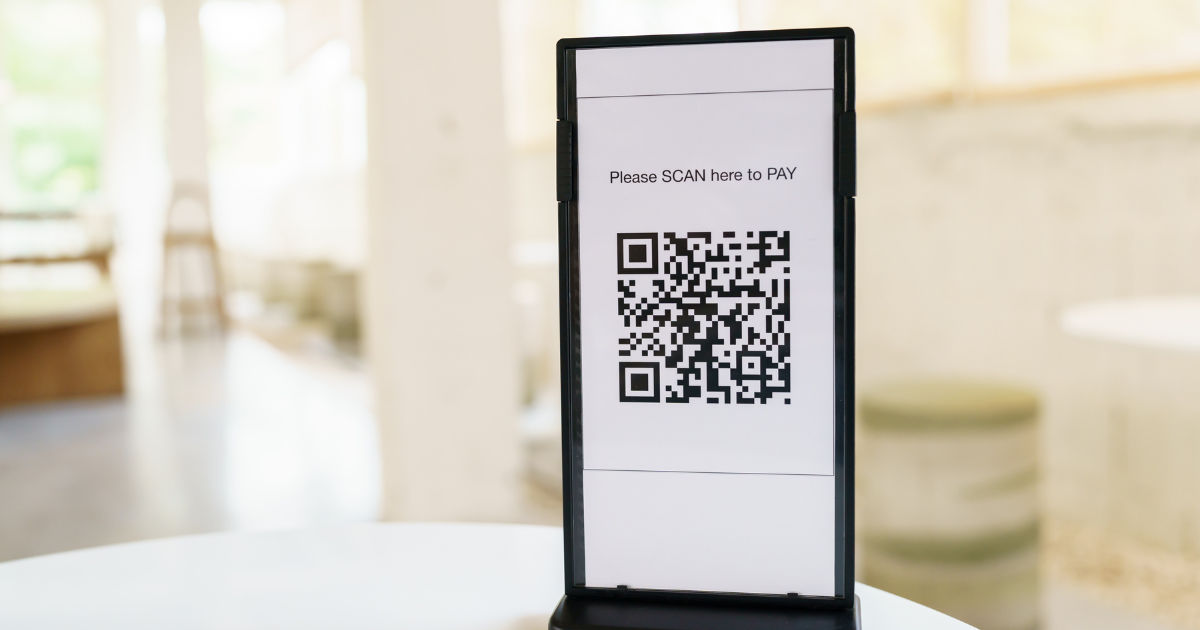
This is where a free online qr code creator becomes useful because many tools now offer customization options, including the ability to add logos.A logo inside a QR code can help people recognize a brand quickly and create a stronger connection between the code and the business behind it.
However, adding a logo is not as simple as placing an image anywhere on the code. There are important design rules that help maintain QR code readability and ensure that smartphones can still scan it properly.
This comprehensive guide explains how logo support works in QR code generators, what limitations exist, how to add logos correctly, and what businesses should consider before creating branded QR codes.
What Is a QR Code Logo?
A QR code logo is a small image, symbol, or brand mark placed inside the QR code pattern. Instead of displaying only the traditional square design, companies can add their logo to make the code more recognizable.
For example, a restaurant may place its logo inside a QR code that links to its digital menu. A clothing brand may add its symbol to a QR code used in advertising campaigns. This small visual change can make the QR code appear more professional and trustworthy.
A logo does not replace the information stored inside the QR code. The code still contains the same data, such as a website link, contact details, payment information, or promotional message.
The logo simply changes the appearance of the QR code while keeping the encoded information available for scanning.
How Does Logo Support Work in a QR Code Creator?
A modern free online qr code creator usually generates QR codes using error correction technology. QR codes are designed with built-in protection that allows them to remain readable even when parts of the pattern are damaged or covered.
This feature makes logo placement possible.
When a logo is added, the QR code generator increases the error correction level. This means the QR code can handle a certain amount of missing or hidden data while still working correctly.
QR codes generally have four error correction levels:
- Low
- Medium
- Quartile
- High
The highest error correction level allows more customization because more of the QR code can be covered without affecting scanning performance.
However, there is a limit. If the logo is too large or covers important parts of the QR pattern, the code may fail to scan.
Do All Free QR Code Creators Support Logos?
Not every QR code generator provides logo support. Some basic tools only create simple QR codes without customization features.
A more advanced free online qr code creator may include options such as:
- Uploading a logo image
- Adjusting logo size
- Changing colors
- Adding frames
- Selecting different QR patterns
- Customizing backgrounds
- Creating branded QR designs
Before choosing a tool, users should check whether logo customization is included in the free version. Some platforms offer logo support only in paid plans, while others provide basic logo features at no cost.
Why Add a Logo to a QR Code?
Adding a logo offers several advantages, especially for businesses and organizations.
Improves Brand Recognition
A QR code without branding may look like any other QR code. People may not immediately know where it leads or who created it.
A logo helps users connect the code with a specific company or organization.
For example, when customers see a familiar brand logo inside a QR code, they may feel more confident scanning it.
Creates a Professional Appearance
Customized QR codes often look more attractive than standard designs.
Businesses spend significant effort creating consistent branding across websites, packaging, advertisements, and social media. A branded QR code helps maintain that same visual identity.
Builds Customer Trust
Some people hesitate to scan unknown QR codes because they worry about unsafe websites or misleading links.
A recognizable logo can provide additional confidence by showing who created the code.
Although users should still verify QR destinations, branding can make QR codes feel more reliable.
How to Add a Logo Using a Free QR Code Generator
The process is usually simple and does not require technical skills.
Choose a QR Code Generator
First, select a QR code tool that offers logo customization. Look for features such as image uploads, design settings, and error correction options.
A reliable free online qr code creator should allow you to create and test your QR code before using it publicly.
Enter Your QR Code Information
Next, add the information you want the QR code to contain.
Common examples include:
- Website URLs
- Social media profiles
- Online menus
- Digital business cards
- Product pages
- Event registrations
- Contact information
The generator converts this information into a QR pattern.
Upload Your Logo
After creating the basic QR code, upload your logo image.
Most tools support common formats such as:
- PNG
- JPG
- SVG
A transparent PNG file usually works best because it blends naturally with the QR code design.
Adjust Logo Size
The logo should be large enough to recognize but small enough to avoid blocking too much of the QR pattern.
A good practice is keeping the logo size moderate and allowing enough QR code space around it.
Test the QR Code
Testing is one of the most important steps.
Scan the QR code using different smartphones and QR scanning applications. Check whether it works from different distances and lighting conditions.
A QR code that works on your computer screen may not always perform well when printed on a poster or product label.
Design Tips for QR Codes With Logos
Creating a visually attractive QR code is important, but functionality should always come first.
Keep Strong Contrast
QR codes depend on contrast between the code pattern and the background.
A dark QR pattern on a light background usually provides the best scanning results.
Avoid using colors that are too similar because scanners may struggle to recognize the pattern.
Avoid Oversized Logos
A large logo may look impressive but can damage scanning reliability.
The logo should complement the QR code rather than dominate it.
Use High-Quality Images
A blurry logo can make the QR code look unprofessional.
Use a clear, high-resolution image whenever possible.
Leave Enough Empty Space
QR codes require a quiet zone, which is the blank area around the code.
Do not place designs or text too close to the edges because scanners need this space to identify the QR code properly.
Common Problems When Adding Logos to QR Codes
Although logos can improve QR codes, some mistakes can reduce performance.
The QR Code Does Not Scan
The most common issue is covering too much of the QR pattern.
If the logo blocks important information, the scanner cannot rebuild the missing data.
Reducing the logo size usually solves this problem.
Poor Color Choices
Some users create attractive designs with low contrast.
A QR code may look good visually but fail in real-world conditions.
Always prioritize readability over decoration.
Printing Issues
A QR code displayed on a screen may scan perfectly, but printed versions can have problems.
Ink quality, paper texture, and image size can affect scanning performance.
Always test printed samples before large production runs.
Are Logo QR Codes Safe?
Adding a logo does not automatically make a QR code safer or more dangerous.
The safety depends on the information stored inside the code.
A QR code with a company logo can still lead to a harmful website if it was created by someone with bad intentions.
Users should always verify QR code destinations before entering personal information or making payments.
Businesses should use secure websites and trusted QR code creation tools to maintain customer confidence.
Free vs Paid QR Code Creators for Logo Support
Many free tools provide basic logo features, but paid options often include additional benefits.
Free tools may offer:
- Basic logo placement
- Simple customization
- Standard QR downloads
Paid platforms may include:
- Advanced branding options
- Analytics tracking
- Editable QR codes
- Higher-resolution downloads
- Campaign management tools
For personal projects or small businesses, a free tool may be enough. Large companies running marketing campaigns may benefit from advanced features.
Where Are Logo QR Codes Commonly Used?
Logo-based QR codes are used across many industries.
Retail Businesses
Stores use branded QR codes on packaging, receipts, and advertisements.
Customers can scan them to access product details, discounts, or online stores.
Restaurants
Restaurants often place logo QR codes on tables, menus, and promotional materials.
Customers can quickly access digital menus or ordering systems.
Events
Event organizers use customized QR codes for registrations, tickets, and schedules.
A logo helps attendees identify official event materials.
Marketing Campaigns
Companies use QR codes in posters, flyers, and social media campaigns.
A branded design makes promotional materials more recognizable.
Best Practices for Creating a Logo QR Code
To create an effective branded QR code, follow these recommendations:
- Use a simple and recognizable logo.
- Maintain good contrast.
- Avoid covering too much of the QR pattern.
- Test before publishing.
- Use a high-quality image.
- Choose the correct QR code size for your purpose.
- Keep the design clean.
The goal is to create a QR code that looks attractive while remaining easy to scan.
Conclusion
A logo can make a QR code more professional, recognizable, and connected to a brand identity. Many modern QR generation tools provide this feature, and a free online qr code creator can often help users create customized QR codes without requiring advanced design skills.
However, successful logo integration requires balance. A QR code should never sacrifice scanning ability for appearance. The logo should remain small, the contrast should be strong, and the final design should always be tested before being shared with customers.
Whether you are a business owner, marketer, event organizer, or individual user, adding a logo can transform a simple QR code into a powerful branding tool. With the right design approach, customized QR codes can improve trust, increase engagement, and provide a more professional digital experience.
A well-designed QR code is not only a way to share information. It is also an opportunity to strengthen your brand presence wherever customers interact with your business.