
When we talk about the evolution of fashion in Pakistan, it’s impossible to ignore the influence of cultural icons, traditional artistry, and modern creativity. From the timeless elegance of handwoven fabrics to the bold experimentation of contemporary designers, the story of Pakistani fashion is rich and layered.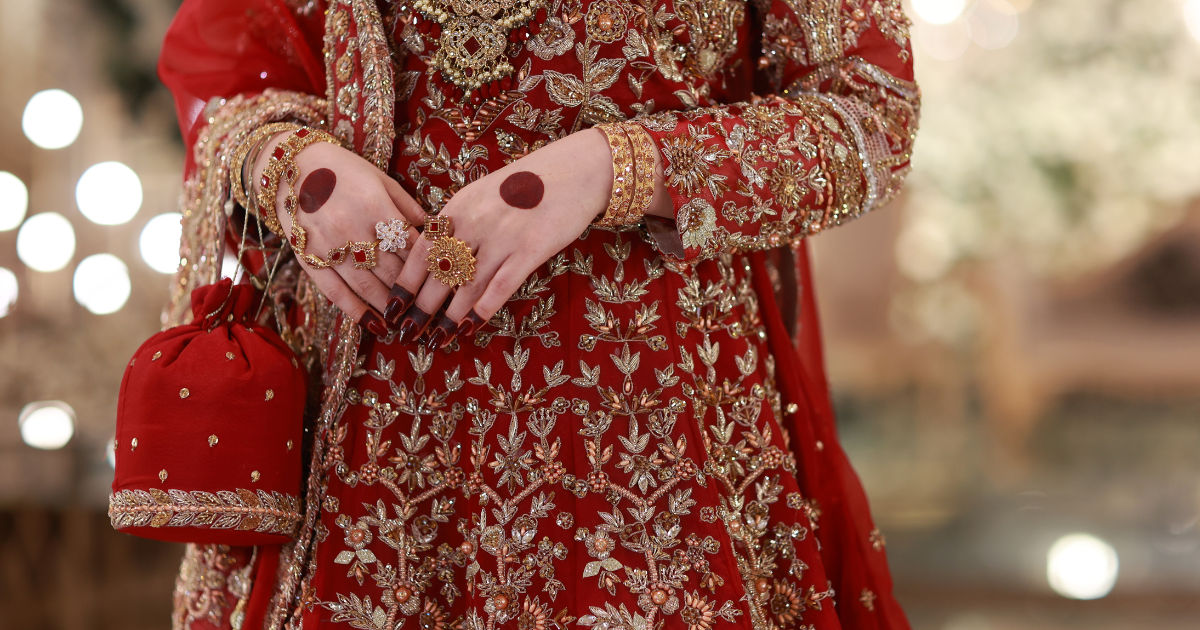
One name that resonates deeply in the hearts of fashion lovers is Nani je—a symbol of heritage, craftsmanship, and the seamless blending of old and new. This blog explores the journey of modern Pakistani fashion, highlighting its roots, transformations, key trends, and cultural significance.
The Roots of Pakistani Fashion
The history of Pakistani fashion is deeply intertwined with the country’s cultural and geographical diversity. Pakistan’s regions, from Punjab to Sindh, Balochistan to Khyber Pakhtunkhwa, have contributed distinct textiles, embroidery styles, and traditional clothing.
Traditional Fabrics and Embroidery
In the early decades, Pakistani fashion heavily relied on fabrics such as cotton, silk, chiffon, and khaddar. Embroidery was an essential aspect, with techniques like Phulkari from Punjab, Sindhi mirror work, Balochi needlework, and Pashtun floral patterns becoming emblematic of regional identity. These patterns were not just decorative; they told stories of local life, social status, and cultural values.
Nani je represents a generation that cherished these handcrafts, preserving intricate designs that later inspired modern designers. Many contemporary fashion houses draw on these traditional motifs, ensuring the past lives on in modern silhouettes.
Influence of Historical Eras
The Mughal era, British colonial period, and post-independence cultural shifts also shaped Pakistani attire. Mughal influence brought rich fabrics, heavy embroidery, and luxurious embellishments. The British era introduced tailored clothing and western cuts, while post-independence Pakistan witnessed a unique fusion of local and global styles, setting the stage for modern fashion evolution.
The Birth of Modern Pakistani Fashion
The transformation from traditional to modern Pakistani fashion began in the late 20th century. As urban centers like Karachi, Lahore, and Islamabad grew, there was a rising demand for fusion wear—traditional fabrics with contemporary cuts.
Key Designers and Their Contributions
Several designers played pivotal roles in this evolution. Names like HSY, Sana Safinaz, Deepak Perwani, and Fahad Hussayn brought Pakistani fashion to international attention. They introduced ready-to-wear collections, evening gowns, and bridal couture that retained cultural essence while appealing to modern tastes.
The influence of Nani je can be seen in the way these designers honor traditional embroidery and techniques while presenting them in modern, wearable formats. This respect for heritage alongside innovation became a hallmark of modern Pakistani fashion.
Popularization Through Media
Fashion magazines, television, and later social media platforms contributed significantly to the spread of modern Pakistani fashion. Shows like Fashion Pakistan Week became platforms for designers to showcase their creativity, blending the classical and the contemporary. Celebrities wearing designer ensembles further elevated the industry, making fashion both aspirational and accessible.
Fusion Fashion: Bridging Tradition and Modernity
One of the defining aspects of modern Pakistani fashion is fusion wear. Fusion wear combines traditional fabrics, motifs, and embroidery with modern silhouettes, cuts, and styling.
Everyday Fusion
For everyday wear, designers experimented with kurta tops paired with trousers or jeans, and casual dresses with regional embroidery. This made traditional elements like Phulkari, Chikankari, and Sindhi motifs relevant to younger generations.
Bridal and Formal Fusion
In bridal and formal wear, fusion trends include floor-length gowns with mirror work, saree-inspired drapes, and lehenga skirts paired with unconventional tops. These trends allow Pakistani fashion to retain its cultural identity while embracing global styles. Again, Nani je’s influence is evident as the base designs often originate from her collection of traditional craftsmanship techniques.
Modern Textile Innovations
Modern Pakistani fashion is not just about silhouettes; it’s also about textiles. Contemporary designers have experimented with fabrics, blends, and prints to create innovative styles.
Digital Prints and Eco-Friendly Fabrics
Digital printing allows for more intricate designs on fabrics that were previously impossible with handwork. Similarly, the focus on sustainable and eco-friendly textiles is growing, with designers using organic cotton, recycled materials, and naturally dyed fabrics. These innovations ensure Pakistani fashion stays relevant in global discussions about sustainability.
Revival of Heritage Textiles
There is also a growing trend of reviving heritage textiles like Ajrak, Khaddar, and Jamawar. Modern designers reimagine these fabrics in contemporary cuts, dresses, and suits, making them attractive to both local and international audiences. The acknowledgment of Nani je’s traditional collection has inspired this revival, keeping history alive while adapting it for today.
The Role of Celebrities and Influencers
Modern Pakistani fashion owes much of its popularity to celebrities and social media influencers. Pakistani actors, singers, and models wearing designer outfits bring trends into mainstream consciousness. Platforms like Instagram, TikTok, and YouTube allow designers to reach younger audiences, creating a vibrant fashion community online.
The Impact of Red Carpet Fashion
Red carpet events, both nationally and internationally, showcase Pakistani designers. Celebrities like Mahira Khan, Sajal Aly, and Fawad Khan have worn designer couture on global stages, proving that modern Pakistani fashion can compete with international fashion standards. Nani je’s classic inspiration can often be traced in these red carpet looks, where traditional embroidery is reimagined for modern elegance.
Street Style and Everyday Trends
While couture and high fashion are glamorous, street style has become equally important in Pakistan’s fashion evolution.
Casual Wear
Casual wear now blends comfort and style, incorporating jeans, crop tops, embroidered kurtas, and casual dresses. Streetwear designers experiment with bold prints, statement sleeves, and layered outfits, making fashion accessible for younger demographics.
Youth Influence
Youth culture is shaping modern Pakistani fashion significantly. The younger generation’s inclination for bold, experimental styles has encouraged designers to mix western influences with traditional wear, resulting in eclectic yet cohesive street style trends.
Fashion Weeks and Industry Growth
Fashion weeks in Pakistan, including Pakistan Fashion Week, Bridal Couture Week, and Fashion Pakistan Week, have provided platforms for innovation. These events allow designers to showcase their collections to buyers, media, and international audiences.
International Recognition
Pakistani fashion is gaining global recognition, with designers participating in events in Dubai, London, and New York. This international exposure has encouraged experimentation, global collaborations, and adoption of international fashion trends, all while keeping Nani je’s traditional motifs alive.
Cultural and Social Impact of Modern Fashion
Fashion in Pakistan is not just about style; it’s also about culture, identity, and social statements. Modern Pakistani fashion reflects changing social norms, gender perceptions, and the increasing role of women in society.
Representation of Heritage
Designers using traditional fabrics, embroidery, and regional prints honor Pakistan’s diverse heritage. This representation is crucial in fostering national pride and connecting younger generations with their roots. Nani je’s work is a prime example of how traditional artistry can influence contemporary identity.
Fashion as Expression
Fashion has also become a medium of personal expression. Pakistani youth use clothing to communicate individuality, cultural pride, or social statements. This democratization of style allows fashion to evolve organically, driven by both designers and consumers.
Challenges in Modern Pakistani Fashion
Despite its growth, the industry faces challenges, including counterfeit products, high production costs, and limited global awareness. Moreover, balancing traditional artistry with modern trends requires careful thought, as excessive commercialization can dilute cultural authenticity.
Preserving Traditional Craft
Preservation of traditional craft remains a priority. Initiatives by designers and organizations aim to train artisans, support handloom industries, and document heritage techniques, ensuring that future generations can continue the legacy of Nani je.
Future of Pakistani Fashion
The future of Pakistani fashion is vibrant and promising. With increasing global exposure, digital platforms, and a new generation of creative minds, Pakistan’s fashion industry is poised to become a global force.
Technology and Fashion
Technological innovations like 3D printing, AI-assisted design, and virtual fashion shows are likely to play a significant role. Designers are already experimenting with augmented reality, digital couture, and e-commerce platforms, making fashion more interactive and accessible.
Sustainable and Inclusive Trends
Sustainability will dominate future trends, with an emphasis on ethical production, fair wages, and environmentally friendly fabrics. Additionally, fashion is moving toward inclusivity, embracing diverse body types, styles, and cultural expressions.
Global Collaborations
Collaborations with international brands and participation in global fashion events will continue to raise Pakistan’s profile in the international fashion arena. This global outlook, combined with a foundation in heritage and tradition, ensures that Pakistani fashion maintains its unique identity.
Conclusion
The evolution of modern Pakistani fashion is a story of heritage, innovation, and cultural pride. From traditional fabrics and hand embroidery to fusion wear and global collaborations, Pakistani fashion reflects a dynamic interplay of past and present. The legacy of Nani je remains a guiding light, inspiring designers to honor history while embracing contemporary creativity.
Modern Pakistani fashion is not just clothing—it’s a statement of identity, culture, and artistry. It bridges generations, connects regions, and communicates a story that is both local and global. As designers continue to innovate and younger generations explore their style, Pakistani fashion will continue to evolve, keeping tradition alive while defining new horizons.
From street style to haute couture, from bridal ensembles to casual wear, the journey of Pakistani fashion is ongoing, vibrant, and full of possibilities. This evolution reminds us that fashion is not static; it is a living reflection of society, culture, and individual expression, ensuring that the artistry of Nani je and countless artisans remains relevant for generations to come.