
In today’s digital world, understanding AI companion with emotions and memory is becoming increasingly important as people interact more with artificial intelligence in daily life.
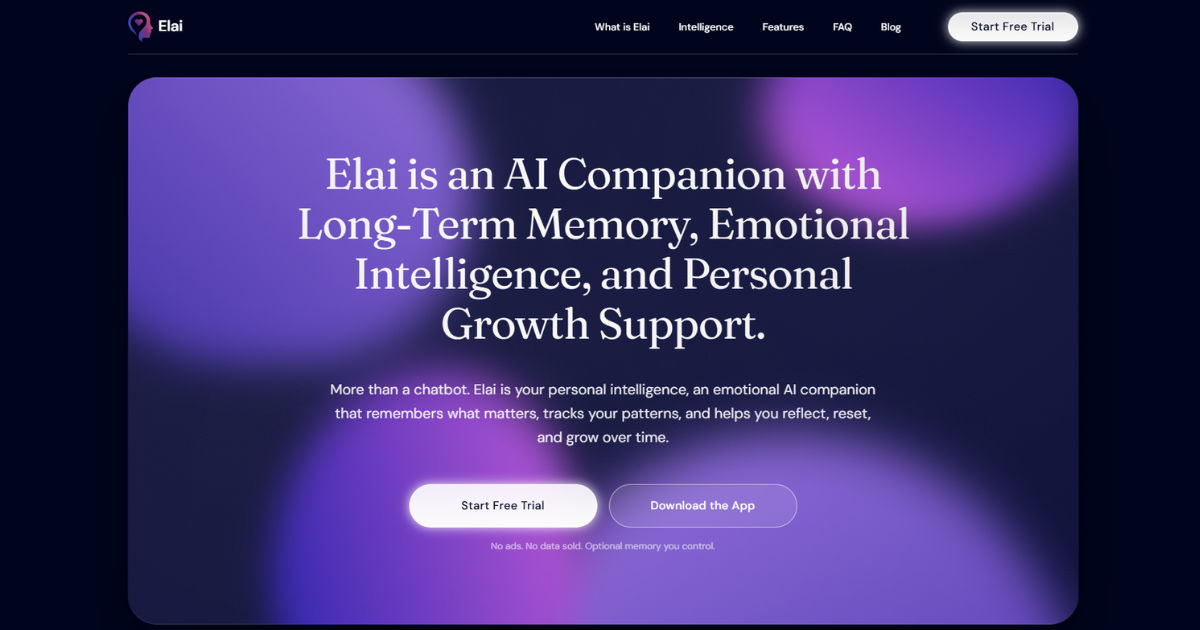 These systems are designed to simulate emotional understanding, remember past interactions, and respond in a human-like way to support users emotionally and socially.
This blog explains how AI companions respond to human feelings, how they interpret emotions, and how their memory systems work in a simple and easy-to-understand way for 12th-grade students.
Introduction to AI Companions and Emotional Interaction
AI companions are digital systems designed to communicate with humans in a natural, conversational way. Unlike traditional software, they don’t just answer questions—they try to understand how you feel and respond accordingly.
The concept of AI companion with emotions and memory is built on two major ideas:
- Emotional recognition (understanding human feelings)
- Memory-based interaction (remembering past conversations)
These two features help AI companions create a more personalized and supportive experience for users.
What Are AI Companions?
AI companions are advanced chat systems powered by artificial intelligence, machine learning, and natural language processing. They are used in apps, virtual assistants, and chatbots that can talk, listen, and respond like a human friend.
They are designed to:
- Talk in a natural tone
- Respond to emotional cues
- Remember user preferences
- Provide support or companionship
A modern AI companion with emotions and memory is not truly emotional like humans, but it simulates emotions to make conversations feel more real and comforting.
How AI Understands Human Emotions
AI does not “feel” emotions, but it can analyze them using data. This process is called sentiment analysis.
Sentiment Analysis
Sentiment analysis allows AI to detect whether a message is:
- Positive (happy, excited, satisfied)
- Negative (sad, angry, frustrated)
- Neutral (normal, factual)
For example:
- “I am very happy today” → positive sentiment
- “I feel sad and lonely” → negative sentiment
A well-trained AI companion with emotions and memory uses this analysis to decide how to respond.
Tone and Language Detection
AI also studies:
- Word choice
- Sentence structure
- Punctuation (like “!!!” or “…”)
- Emoji use
For example:
- “I guess I’m fine…” suggests sadness or hesitation
- “I’m GREAT!!!” suggests excitement
By analyzing these patterns, AI creates emotionally appropriate responses.
Context Understanding
Context means understanding the meaning behind a conversation over time.
If a user says:
- “I failed my exam yesterday”
- Later: “I feel like giving up”
The AI connects both messages and responds with emotional awareness. This is a key part of AI companion with emotions and memory systems.
How AI Companions Respond to Human Feelings
Once AI understands emotions, it generates responses that feel supportive and human-like.
Empathetic Responses
AI companions often respond with empathy, such as:
- “I’m really sorry you’re feeling this way.”
- “That sounds really tough. I’m here for you.”
- “You’re not alone in this.”
These responses are carefully programmed using emotional datasets and conversational models.
Encouragement and Motivation
When users feel down, AI may respond with motivational messages:
- “You are stronger than you think.”
- “Every challenge is a step forward.”
- “Things will get better with time.”
A good AI companion with emotions and memory adapts encouragement based on past interactions.
Adaptive Emotional Tone
AI adjusts its tone depending on user emotions:
- Calm tone for sadness
- Energetic tone for excitement
- Neutral tone for general questions
This adaptability makes conversations feel more natural and human-like.
The Role of Memory in AI Emotional Responses
Memory is one of the most important features of modern AI companions.
Short-Term Memory
Short-term memory helps AI remember:
- Current conversation
- Recent questions
- Immediate context
This ensures responses stay consistent.
Long-Term Memory
Long-term memory allows AI to remember:
- User preferences
- Past emotional states
- Names and interests
For example:
If a user previously said they like football, a AI companion with emotions and memory might later say:
- “How was the football match you were excited about?”
Personalized Emotional Support
Because of memory, AI can personalize emotional responses:
- If a user is often stressed, AI may offer calming advice more frequently
- If a user enjoys humor, AI may include jokes in responses
This creates a stronger emotional connection between human and machine.
How AI Combines Emotion and Memory
The combination of emotion recognition and memory creates a powerful system.
Step-by-Step Process
- User sends a message
- AI analyzes emotional tone
- AI checks memory for past interactions
- AI generates a personalized emotional response
This is how a AI companion with emotions and memory creates a smooth and human-like conversation.
Example Scenario
User: “I’m feeling stressed about exams.”
AI:
- Detects stress (emotion analysis)
- Remembers user has exams coming soon (memory)
- Responds: “I understand exams can be stressful. Would you like some study tips or a short break plan?”
This response feels personal and supportive.
Technology Behind Emotional AI
AI companions rely on several advanced technologies.
Natural Language Processing (NLP)
NLP helps AI:
- Understand human language
- Detect meaning and intent
- Process emotions in text
Machine Learning
Machine learning allows AI to improve over time by:
- Learning from conversations
- Improving emotional accuracy
- Enhancing response quality
Neural Networks
Neural networks help AI:
- Recognize patterns in human language
- Predict emotional responses
- Generate human-like text
Together, these technologies power AI companion with emotions and memory systems.
Benefits of AI Emotional Companions
AI companions offer several advantages.
Emotional Support
They provide:
- Comfort during loneliness
- Encouragement during stress
- A non-judgmental space to talk
Accessibility
AI is available:
- 24/7
- Anywhere with internet
- Without human limitations
Learning Support
AI companions can also:
- Help with studies
- Explain difficult topics
- Offer motivation
Personalized Experience
Because of memory, AI adapts to each user individually, making interactions more meaningful.
Limitations of AI Emotional Understanding
Despite their advanced features, AI companions are not perfect.
No Real Emotions
AI does not actually feel emotions. It only simulates them based on patterns.
Misinterpretation Risks
Sometimes AI may:
- Misread sarcasm
- Misunderstand cultural expressions
- Give incorrect emotional responses
Dependency Concerns
Overuse of AI companions may lead to:
- Emotional dependency
- Reduced real-world social interaction
Ethical Considerations
The development of AI companion with emotions and memory raises important ethical questions.
Privacy
AI systems store personal data, including emotional conversations. This raises concerns about:
- Data security
- User privacy
- Information misuse
Emotional Manipulation
There is a risk that AI could:
- Influence emotions unfairly
- Create artificial emotional attachment
Transparency
Users should know:
- AI is not human
- Emotional responses are simulated
- Memory is data-based, not human memory
The Future of Emotional AI Companions
The future of AI companions is rapidly evolving.
More Human-Like Conversations
Future AI may:
- Understand emotions more deeply
- Respond more naturally
- Improve conversational flow
Advanced Memory Systems
Future AI companion with emotions and memory systems may:
- Store long-term life stories
- Track emotional growth over time
- Offer more personalized life guidance
Integration in Daily Life
AI companions may become part of:
- Education systems
- Healthcare support
- Mental wellness apps
Emotional Intelligence Growth
AI will likely become better at:
- Understanding complex emotions
- Responding with empathy
- Supporting mental well-being
Real-Life Applications
AI emotional companions are already used in many areas:
- Mental health chatbots
- Virtual learning assistants
- Customer support systems
- Personal productivity tools
These applications show how powerful emotional AI can be.
How AI Builds Emotional Connection
Even though AI is not human, it creates emotional connection through:
- Consistency in responses
- Memory of past conversations
- Supportive language
- Adaptive tone
A AI companion with emotions and memory feels familiar over time, which helps users trust and rely on it.
Conclusion
AI companions have changed the way humans interact with technology. By combining emotional recognition and memory systems, they create a more human-like experience in digital communication. A AI companion with emotions and memory does not truly feel emotions, but it is designed to understand and respond to human feelings in a meaningful and supportive way.
These systems analyze language, detect emotional tone, and use memory to personalize responses. While they offer many benefits such as emotional support, accessibility, and learning assistance, they also come with limitations and ethical concerns that must be carefully managed.
As technology continues to advance, AI companions will become even more intelligent, emotionally aware, and integrated into everyday life. However, it is important to remember that they are tools created to support humans—not replace real human relationships.
The future of emotional AI is promising, but it must always balance innovation with responsibility, privacy, and human well-being.