
A custom water features contractor plays a key role in turning outdoor spaces into visually appealing, relaxing environments. When people think about water features, they often imagine fountains or ponds, but the design process is much more detailed than that.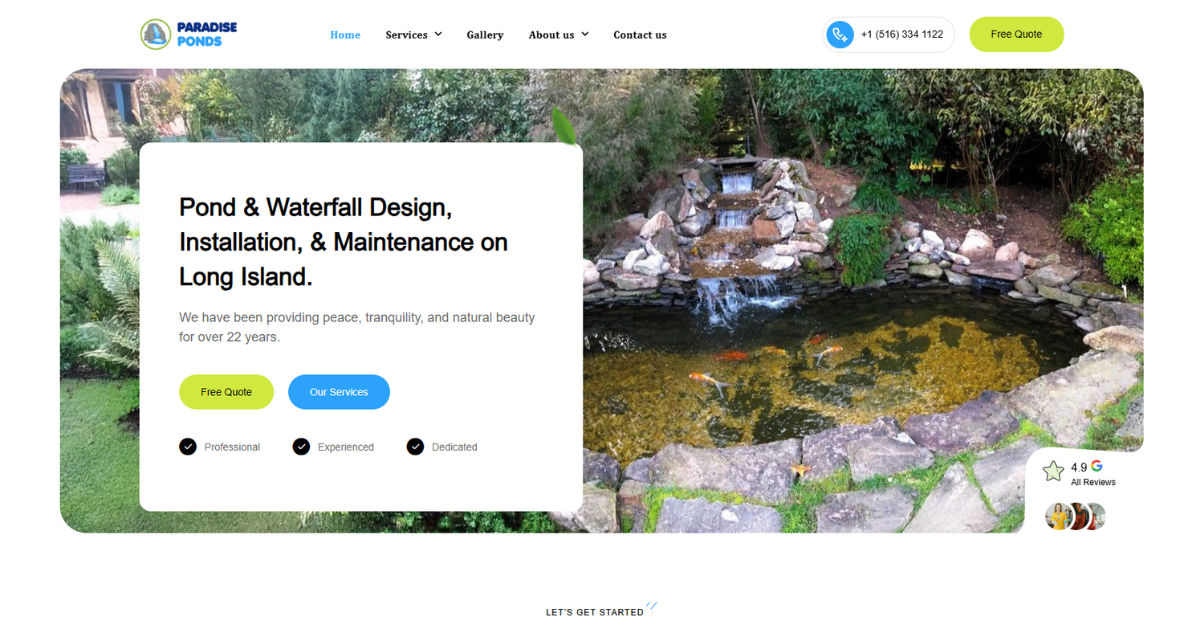
A well-planned guide to custom water feature design helps homeowners understand how ideas become reality, from the first sketch to the final installation.
This article explains how design works, what decisions matter most, and how a custom water features contractor brings everything together into a functional and beautiful outdoor feature.
Custom Water Feature Design
Designing a water feature is not just about aesthetics. It combines engineering, landscaping, and creativity. A custom water features contractor evaluates the space, water flow, materials, and maintenance requirements before starting any project.
The design process usually begins with a site inspection. This helps determine:
- Available space
- Sunlight exposure
- Soil condition
- Drainage patterns
- Electrical access
Each of these factors influences how the final design will look and function.
A good design ensures that the water feature not only looks beautiful but also works efficiently for years.
Role of a Custom Water Features Contractor in Planning
A custom water features contractor is responsible for turning ideas into practical designs. They work closely with homeowners to understand preferences, budget, and space limitations.
During the planning stage, they usually:
- Create sketches or digital models
- Suggest materials like stone, concrete, or metal
- Plan water circulation systems
- Estimate cost and timeline
Without proper planning, even a small water feature can face issues like leaks, poor water flow, or high maintenance costs.
A skilled contractor ensures every detail is considered before construction begins.
Key Elements of Water Feature Design
A successful water feature depends on several design elements. A custom water features contractor balances these components to create harmony between nature and structure.
1. Water Flow Design
Water movement is the heart of any feature. It can be:
- Gentle and calming (for gardens and relaxation spaces)
- Strong and dramatic (for modern designs)
- Layered or cascading (for visual depth)
The contractor designs pumps and channels to control how water moves.
2. Material Selection
Materials affect both appearance and durability. Common choices include:
- Natural stone for a natural look
- Stainless steel for modern designs
- Concrete for custom shapes
- Ceramic tiles for decorative surfaces
A custom water features contractor selects materials based on weather conditions and design goals.
3. Lighting Integration
Lighting transforms a water feature at night. LED systems are often used because they are energy-efficient and long-lasting.
Lighting can highlight:
- Water movement
- Fountain shape
- Surrounding landscape
A good design ensures lighting is waterproof and safely installed.
4. Sound Design
Water features are not just visual—they also create sound. Some homeowners prefer soft, calming water sounds, while others want stronger flowing effects.
The contractor adjusts:
- Water pressure
- Drop height
- Surface interaction
This helps create the desired atmosphere.
Step-by-Step Design Process
A custom water features contractor follows a structured process to ensure quality results.
Step 1: Consultation
The process begins with understanding the client’s vision. This includes style preferences, budget, and purpose of the water feature.
Step 2: Site Analysis
The contractor evaluates the land to determine feasibility and potential challenges.
Step 3: Concept Design
Initial design sketches or 3D models are created. These help clients visualize the final outcome.
Step 4: Engineering Planning
Technical aspects like water pumps, plumbing, and electrical systems are planned.
Step 5: Material Approval
Clients select materials based on contractor recommendations.
Step 6: Installation
Construction begins, including excavation, structure building, and system setup.
Step 7: Testing and Adjustment
Water flow, pressure, and lighting are tested and adjusted for performance.
Each step requires attention to detail from the custom water features contractor to ensure smooth execution.
Types of Custom Water Features
Different designs serve different purposes. A custom water features contractor may suggest various styles depending on the property.
Garden Fountains
These are common in residential gardens. They are simple, elegant, and low maintenance.
Ponds and Water Gardens
These features often include fish, plants, and natural stone surroundings.
Wall Waterfalls
Wall installations save space and create a modern aesthetic.
Streams and Cascades
These mimic natural water flow and are ideal for larger landscapes.
Reflecting Pools
These are still water surfaces that reflect surrounding architecture and sky.
Each type requires different design techniques and engineering solutions.
Importance of Proper Water Circulation
Water circulation is one of the most important technical aspects. Without it, water becomes stagnant, leading to algae growth and unpleasant odors.
A custom water features contractor ensures:
- Proper pump size selection
- Efficient water recycling systems
- Filtration systems for cleanliness
Good circulation also reduces maintenance needs and extends system life.
Landscaping Integration with Water Features
A water feature should blend naturally into its environment. This is where landscaping plays a major role.
The contractor coordinates with landscape designers to ensure:
- Plants complement water design
- Pathways connect smoothly
- Rocks and structures look natural
A well-integrated design feels like part of nature rather than an added structure.
Maintenance and Long-Term Care
Even the best designs require maintenance. A custom water features contractor often provides guidance on long-term care.
Common maintenance tasks include:
- Cleaning filters
- Checking pump function
- Removing debris
- Monitoring water levels
Seasonal maintenance is also important, especially in areas with extreme weather.
Common Design Mistakes to Avoid
Poor planning can lead to expensive problems. A skilled custom water features contractor helps avoid mistakes such as:
- Incorrect pump sizing
- Poor drainage planning
- Overcomplicated designs
- Ignoring maintenance access
- Using unsuitable materials
Avoiding these issues ensures long-lasting performance.
Cost Factors in Water Feature Design
The cost of a water feature depends on several factors:
- Size of the project
- Material choice
- Complexity of design
- Electrical and plumbing work
- Landscaping requirements
A custom water features contractor helps clients balance cost with design expectations, ensuring value for money.
Modern Trends in Water Feature Design
Today’s designs focus on simplicity and sustainability. Some popular trends include:
- Eco-friendly water recycling systems
- Minimalist geometric designs
- Smart lighting controls
- Solar-powered pumps
- Naturalistic garden integration
A modern custom water features contractor often incorporates these trends into new projects.
Why Professional Design Matters
DIY water features often fail due to lack of technical knowledge. Professional design ensures safety, durability, and beauty.
A custom water features contractor brings:
- Technical expertise
- Design experience
- Proper equipment knowledge
- Long-term reliability
This reduces risks and improves overall results.
Conclusion
Custom water feature design is a combination of creativity, engineering, and environmental planning. A well-executed project can transform any outdoor space into a peaceful and visually appealing environment.
A custom water features contractor is essential in this process because they guide everything from concept to completion. Their expertise ensures that water flow, materials, lighting, and landscaping work together harmoniously.
Understanding the design process helps homeowners make better decisions and appreciate the complexity behind these beautiful installations. Whether it is a small fountain or a large cascading waterfall, proper planning ensures lasting satisfaction.
With thoughtful design and professional execution, a water feature becomes more than decoration—it becomes a living part of the landscape.