
Hotel in makkah plays a central role in understanding how pilgrimage shapes dining culture across the world. When millions of people travel for spiritual journeys, especially to sacred destinations, their food habits, preferences, and dining experiences change in powerful ways.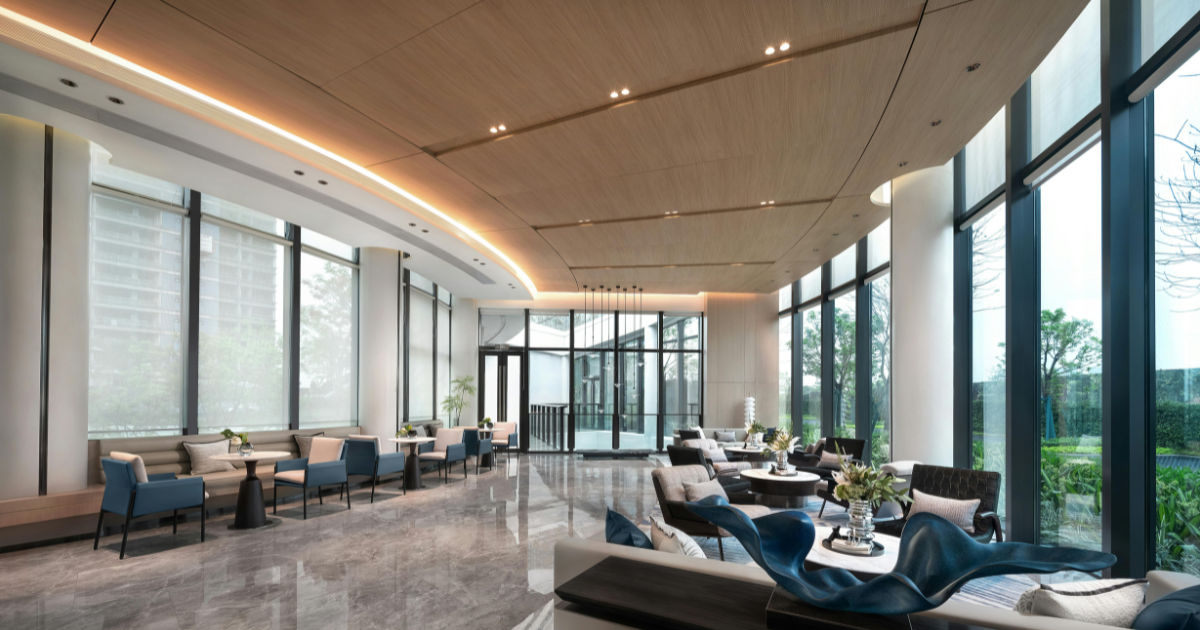
Hotel in makkah is not just a place to stay; it becomes part of a global food exchange system where cultures, traditions, and cuisines meet.
Pilgrimage is more than a religious journey. It is also a human experience that affects how people eat, share meals, and connect with others.
Hotel in makkah often becomes a meeting point where pilgrims from different countries gather, bringing their own culinary traditions and discovering new ones. This blending of food cultures creates a unique dining environment that exists only in pilgrimage settings.
In this blog, we will explore how pilgrimage influences dining culture in depth. We will also understand how Hotel in makkah contributes to shaping food habits, hospitality standards, and cultural exchange. The discussion will be detailed, simple to understand, and suitable for a 12th-grade audience.
The Historical Connection Between Pilgrimage and Food Culture
Pilgrimage has always been linked with food. In ancient times, travelers depended on local communities for meals. Over time, sacred journeys developed their own food traditions.
Hotel in makkah reflects this historical transformation, where once-simple lodging has evolved into a global hospitality hub. Pilgrims from Asia, Africa, Europe, and the Middle East bring their food expectations, and Hotel in makkah adapts to meet these diverse needs.
Food during pilgrimage is not just about nutrition. It is about comfort, identity, and spiritual focus. Hotel in makkah often serves familiar dishes for international guests so they can feel at home while away from their countries.
As pilgrimage routes became more organized, food supply chains also developed. Hotel in makkah is now part of a structured system that ensures safe, hygienic, and culturally appropriate meals for millions of visitors every year.
Pilgrimage as a Cultural Food Exchange
One of the most important effects of pilgrimage is cultural exchange through food. Pilgrims share meals, recipes, and cooking styles with people from different backgrounds.
Inside Hotel in makkah, it is common to find buffets that include Middle Eastern, South Asian, African, and Western dishes. This diversity reflects the global nature of pilgrimage itself.
Hotel in makkah helps create a space where food becomes a language of connection. A pilgrim from Indonesia may try Turkish kebabs, while a visitor from Nigeria may experience Pakistani biryani. These interactions expand culinary understanding.
Food exchange during pilgrimage is not temporary. Many pilgrims return home and recreate dishes they discovered in Hotel in makkah, spreading new flavors to their communities.
Role of Hospitality in Shaping Dining Culture
Hospitality is a key part of pilgrimage. The demand for accommodation and food is extremely high, and Hotel in makkah plays a central role in meeting this demand.
Modern pilgrimage hotels are designed to handle large crowds efficiently. Hotel in makkah often provides round-the-clock dining services to accommodate different prayer schedules and time zones.
Buffet-style dining is common because it allows flexibility. Hotel in makkah ensures that guests can choose from a variety of foods, respecting cultural and dietary differences.
Hospitality staff in Hotel in makkah are trained to understand international food preferences. This includes vegetarian meals, halal certification, and allergen-free options.
Street Food and Local Influence Near Pilgrimage Sites
Outside hotels, pilgrimage destinations often develop rich street food cultures. Vendors adapt their menus to serve pilgrims.
Even though Hotel in makkah provides structured dining, many pilgrims explore local food stalls to experience authentic regional flavors.
Street food becomes an extension of pilgrimage dining culture. However, Hotel in makkah remains the main point of comfort and consistency for many travelers who prefer controlled hygiene and familiar dishes.
Local vendors often design special menus for pilgrims, influenced by international tastes. This influence can be traced back to demand patterns created by guests staying in Hotel in makkah.
Religious Dietary Laws and Their Impact on Food
Pilgrimage is deeply connected to religion, and dietary laws play a major role in shaping food culture.
In Islamic pilgrimage, food must be halal. Hotel in makkah strictly follows halal guidelines to ensure compliance with religious requirements.
This creates a standardized food system where ingredients, preparation methods, and serving styles are carefully monitored. Hotel in makkah becomes a trusted source of safe and religiously acceptable meals.
Religious dietary rules also encourage simplicity. Pilgrims often prefer modest meals, and Hotel in makkah adapts its menus to reflect this preference.
Economic Impact of Pilgrimage on Dining Industry
Pilgrimage significantly boosts the local and international food industry. Restaurants, catering services, and hotels experience high demand during pilgrimage seasons.
Hotel in makkah is one of the biggest contributors to this economic ecosystem. It employs thousands of workers and supports food suppliers from around the world.
The demand for bulk food production increases during pilgrimage seasons. Hotel in makkah often works with international suppliers to ensure food variety and availability.
This economic cycle creates job opportunities and strengthens the global hospitality industry. Hotel in makkah is at the center of this economic activity.
Globalization of Food Through Pilgrimage
Pilgrimage has helped globalize food culture. People are exposed to international cuisines in a deeply personal and meaningful environment.
Inside Hotel in makkah, pilgrims experience this globalization firsthand. A single dining hall may serve dishes from five or more continents.
Hotel in makkah acts as a culinary bridge between cultures. It allows people to appreciate diversity through taste, smell, and shared meals.
This exposure often changes long-term eating habits. Many pilgrims adopt new recipes after staying in Hotel in makkah and introduce them in their home countries.
Social Interaction and Shared Meals
Food is a powerful social tool during pilgrimage. People often bond over meals and share stories of their journey.
In Hotel in makkah, communal dining spaces encourage interaction between strangers. Pilgrims from different backgrounds sit together and share food experiences.
Hotel in makkah fosters unity through dining. This shared experience breaks language barriers and creates friendships.
Eating together during pilgrimage is seen as a form of spiritual connection. Hotel in makkah supports this by designing large dining halls that encourage community seating.
Modernization of Pilgrimage Dining Culture
Over time, pilgrimage dining culture has modernized significantly. Technology, logistics, and global supply chains have transformed how food is delivered.
Hotel in makkah now uses advanced systems for meal planning, food safety, and large-scale preparation.
Digital ordering systems, nutrition tracking, and buffet management tools are common in Hotel in makkah. These improvements ensure efficiency and quality.
Despite modernization, traditional food values remain important. Hotel in makkah balances modern convenience with cultural authenticity.
Food Waste Management in Pilgrimage Settings
With millions of pilgrims, food waste management becomes essential. Large hotels must ensure responsible consumption.
Hotel in makkah implements strict food management systems to reduce waste and improve sustainability.
Portion control, buffet monitoring, and donation systems are commonly used. Hotel in makkah works with food organizations to redistribute surplus meals.
This responsible approach helps maintain environmental balance while supporting large-scale pilgrimage dining needs.
Emotional and Spiritual Connection to Food
Food during pilgrimage is not just physical nourishment. It carries emotional and spiritual meaning.
Pilgrims often associate meals with memories of their journey. Hotel in makkah becomes part of these emotional experiences.
Sharing food after long hours of prayer creates a sense of relief and gratitude. Hotel in makkah supports this emotional journey by providing comforting and familiar meals.
Many pilgrims describe dining experiences in Hotel in makkah as peaceful and reflective, enhancing their spiritual journey.
Challenges in Pilgrimage Dining Culture
Managing food for millions of pilgrims is not easy. Logistics, hygiene, and cultural diversity create challenges.
Hotel in makkah must constantly adapt to changing demands, seasonal peaks, and dietary restrictions.
Language barriers and food preferences can also create complexity. Hotel in makkah solves this by offering multilingual staff and diverse menus.
Despite challenges, pilgrimage dining continues to improve every year. Hotel in makkah remains a key example of successful large-scale hospitality management.
Future of Pilgrimage Dining Culture
The future of pilgrimage dining is likely to become even more advanced. Technology, sustainability, and personalization will shape food services.
Hotel in makkah is expected to adopt more smart systems for food delivery and customization.
Artificial intelligence may help predict meal preferences. Hotel in makkah could offer more personalized dining experiences in the future.
Sustainability will also play a larger role. Hotel in makkah may focus more on eco-friendly packaging and reduced food waste.
Conclusion
Pilgrimage has a deep and lasting influence on dining culture across the world. It brings people together, encourages cultural exchange, and transforms food into a shared human experience.
Hotel in makkah stands at the center of this transformation. It is more than just accommodation; it is a cultural and culinary hub where global traditions meet. Through its services, Hotel in makkah helps shape how millions of pilgrims experience food during their spiritual journeys.
From historical traditions to modern innovations, pilgrimage continues to reshape dining culture in meaningful ways. Hotel in makkah represents hospitality, unity, and diversity in one place.
As pilgrimage grows in scale and significance, food culture will continue to evolve. Hotel in makkah will remain an essential part of this journey, connecting people through meals and memories.
Ultimately, pilgrimage dining culture teaches us that food is not just about eating—it is about sharing, understanding, and connecting with humanity.