
Eid is one of the most celebrated festivals in the Muslim world, a time for family gatherings, prayers, and festive celebrations. One of the most exciting parts of Eid is dressing up in beautiful clothes that reflect joy, elegance, and tradition.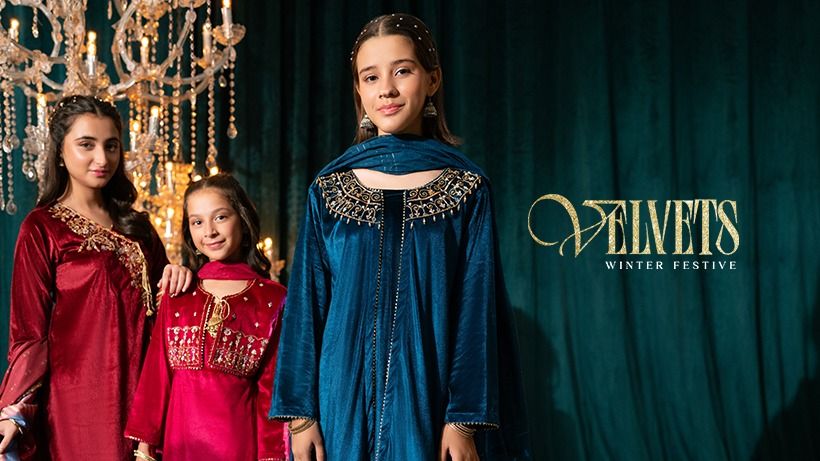
For beginners interested in fashion or designing their own clothes, understanding eid dress design is the first step towards creating stunning outfits that are perfect for this special occasion.
This guide will walk you through everything you need to know to get started with eid dress design, from selecting fabrics to mastering decoration techniques.
Understanding Eid Dress Design
Before you dive into sewing or sketching your designs, it’s essential to understand what eid dress design really entails. Eid dresses are not just ordinary clothes—they are a combination of style, comfort, and tradition. They vary from region to region, incorporating cultural elements and modern trends.
An ideal Eid dress balances elegance and practicality. It should allow freedom of movement for prayers while reflecting festive charm. Traditional styles often include long flowing dresses, kurtas, anarkalis, and lehengas. Modern interpretations may feature layered gowns, high-low hemlines, and minimalistic embroidery. As a beginner, it’s important to observe and understand these variations to develop a sense of design that is both stylish and wearable.
Choosing the Right Fabric
Fabric selection is the foundation of any eid dress design. The choice of fabric affects the dress's flow, comfort, and final look. Beginners should start with fabrics that are easy to work with, like cotton, chiffon, georgette, and silk blends.
-
Cotton: Lightweight and breathable, perfect for summer Eids.
-
Chiffon and Georgette: Flowing fabrics that create elegant silhouettes.
-
Silk: Luxurious and perfect for more formal designs.
-
Velvet: Adds richness and is ideal for winter Eids.
Each fabric has unique characteristics. Cotton is forgiving for beginners, as it’s easy to cut and sew. Chiffon and georgette may require extra attention to prevent fraying, while silk and velvet need careful handling to avoid marks and uneven stitching.
Basic Tools for Beginners
To begin with eid dress design, you need the right set of tools. While professional designers may use advanced equipment, beginners can start with a simple toolkit:
-
Measuring tape
-
Fabric scissors
-
Pins and needles
-
Tailor’s chalk
-
Sewing machine
-
Thread matching your fabric
-
Pattern paper for sketching designs
Having these tools will make the process smoother and help avoid mistakes that are common for beginners.
Understanding Dress Patterns
A pattern is the blueprint of your dress. For beginners, following ready-made patterns or drafting simple ones is a great way to start. Understanding basic shapes—like A-line, straight cut, flared, and circle skirts—is essential for eid dress design.
-
A-line dresses: Narrow at the top and flared at the bottom, perfect for all body types.
-
Straight cut dresses: Simple and elegant, ideal for minimalistic styles.
-
Flared or Anarkali designs: Create a traditional and festive look, especially popular for Eid.
-
High-low dresses: Modern and trendy, easy to combine with various fabrics.
Learning to read and adjust patterns ensures that your final dress fits well and looks professionally made.
Color Selection for Eid Dresses
Color is a critical element in eid dress design. The right colors can enhance the festive spirit and complement the wearer’s skin tone. Traditionally, pastel shades, bright colors, and jewel tones are popular for Eid.
-
Pastels: Soft pinks, mint greens, and sky blues create a gentle, elegant look.
-
Bright Colors: Red, royal blue, and emerald green convey festivity and joy.
-
Neutral Shades: Creams, whites, and beige provide a sophisticated, modern aesthetic.
-
Metallic Accents: Gold and silver threads or embellishments add a luxurious touch.
Beginners should start by experimenting with color combinations that appeal to them, ensuring harmony between the fabric and decorative elements.
Embellishments and Decorations
Decoration is what transforms a simple fabric into a beautiful Eid dress. Embellishments can include embroidery, sequins, lace, beads, and appliqué work. For beginners, start small and gradually build skills with intricate designs.
-
Embroidery: Thread-based designs that add texture and richness.
-
Sequins and Beads: Sparkle and glamour, often used on the neckline or sleeves.
-
Lace and Appliqué: Elegant finishing touches that can be sewn along hems or borders.
It’s important not to overcrowd the design. Balance is key. A well-placed embellishment can make your dress look expensive and professionally done.
Simple Techniques for Beginners
If you are new to sewing and eid dress design, start with simple techniques before attempting advanced styles. These include:
-
Straight Stitching: The foundation of all sewing. Perfect for seams and hems.
-
Gathering: Creating soft pleats for flared skirts.
-
Hemming: Finishing edges neatly for a polished look.
-
Adding Lace or Borders: Easy decorative method for beginners.
Mastering these techniques will give you confidence to try more complex designs in the future.
Choosing the Right Style
Your choice of style should reflect your personal taste, body type, and the occasion. Here are popular styles for beginners in eid dress design:
-
Anarkali Dress: Long, flared, and perfect for formal celebrations.
-
Straight Kurta with Palazzo Pants: Comfortable yet stylish, suitable for casual family gatherings.
-
Layered Gown: Modern twist on traditional attire, suitable for evening celebrations.
-
Peplum Top with Skirt: Chic and trendy, easy to sew with beginner-friendly patterns.
Selecting a style that you love makes the design process enjoyable and increases your motivation to complete the project.
Accessories and Complementary Details
Accessories play a vital role in enhancing your eid dress design. Matching dupattas, scarves, belts, and jewelry can elevate your outfit from simple to extraordinary.
-
Dupattas: Embellished or plain, they add elegance and tradition.
-
Belts: Can define the waist and add a modern touch.
-
Jewelry: Minimalist designs for casual looks or statement pieces for formal styles.
Learning to coordinate accessories with your dress is an essential skill for any designer.
Common Mistakes Beginners Should Avoid
Beginners often make mistakes that can affect the final look of their eid dress design. Being aware of these can save time and frustration.
-
Wrong fabric choice: Difficult fabrics can lead to uneven stitching or damage.
-
Ignoring measurements: A poorly fitted dress looks unprofessional.
-
Over-embellishing: Too many decorations can make a dress look cluttered.
-
Rushing the process: Patience is key to neat and polished work.
Avoiding these mistakes ensures your dress is comfortable, stylish, and elegant.
Step-by-Step Guide to Creating Your First Eid Dress
For beginners, following a structured approach is the best way to create a beautiful eid dress design. Here’s a simplified step-by-step guide:
-
Choose your style: Decide on the dress silhouette that suits your body type and occasion.
-
Select fabric and color: Pick materials that are easy to work with and festive in appearance.
-
Take measurements: Ensure accuracy to achieve a perfect fit.
-
Draft or select a pattern: Use ready-made patterns or draw a simple one yourself.
-
Cut the fabric: Carefully cut according to your pattern, leaving seam allowances.
-
Sew the basic structure: Use straight stitching to join pieces together.
-
Add embellishments: Embroider or sew decorations carefully.
-
Finish edges: Hem the dress and secure all loose threads.
-
Try on and adjust: Ensure the dress fits perfectly and make any necessary alterations.
-
Style with accessories: Add dupattas, belts, or jewelry to complete the look.
Following these steps makes the design process organized and beginner-friendly.
Inspiration and Trend Research
Even beginners can benefit from looking at current trends in eid dress design. Social media platforms, fashion blogs, and traditional clothing stores provide valuable insights into what is popular. Observing patterns, colors, and embellishments used by professional designers can inspire your creations while helping you develop a personal style.
Practicing and Improving Skills
Like any skill, eid dress design requires practice. Start with simple projects and gradually attempt more complex designs. Keep experimenting with fabrics, stitches, and patterns. Over time, you’ll gain confidence and your dresses will look more professional.
Conclusion
Designing your own Eid dresses can be an exciting and rewarding experience, especially for beginners. By understanding the essentials of eid dress design, choosing the right fabrics, mastering basic sewing techniques, and adding thoughtful embellishments, anyone can create beautiful outfits that reflect tradition and style. Remember, patience and practice are key. Begin with simple designs, learn from mistakes, and gradually explore more intricate styles. The joy of wearing a dress you designed yourself during Eid is unmatched, and with dedication, your skills will continue to grow. Whether you aim for traditional elegance or modern chic, this guide provides a comprehensive foundation for your journey in eid dress design.