
In today’s modern homes and offices, connectivity is more than just having an internet connection. It’s about creating a network that allows seamless communication, efficient entertainment, and smart control of devices. This is where a structured wiring system comes into play.
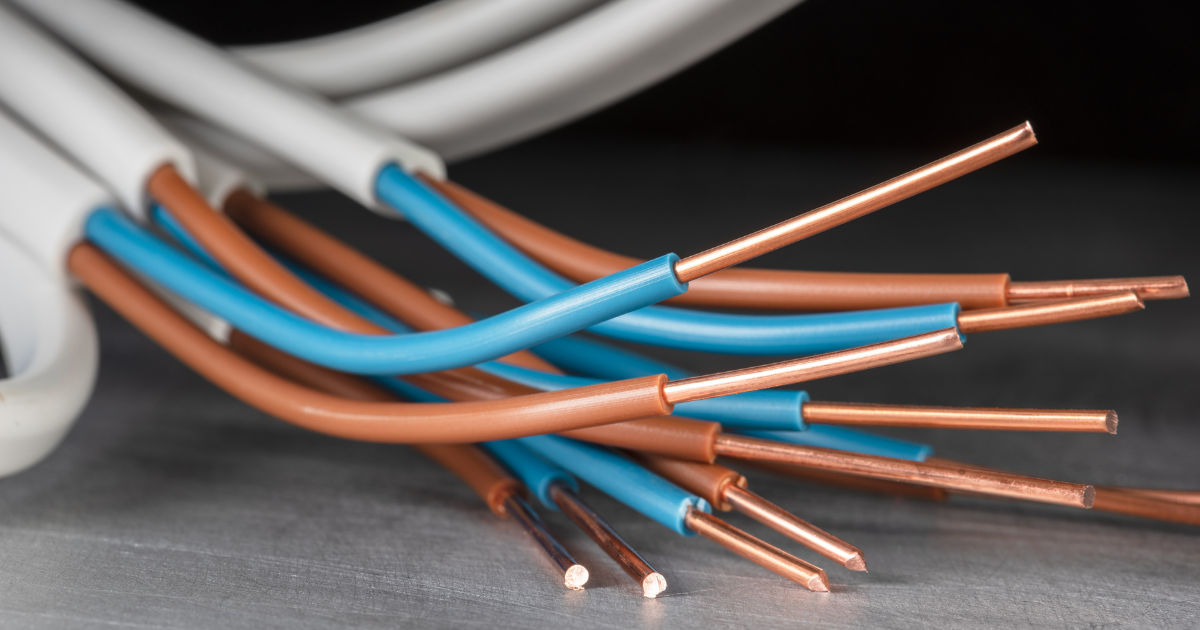 For anyone looking to design a home or office with future-ready technology, understanding structured wiring is essential. If you’re sourcing quality cables for this system, an experienced AGE Cables Supplier can provide the reliable materials needed for flawless installation.
A structured wiring system is more than just a collection of wires. It is an organized approach to managing your home or office’s electrical, data, and communication needs.
Unlike traditional wiring, which is often installed haphazardly, structured wiring centralizes all connections into one neat system, making it easier to manage, upgrade, and troubleshoot.
What Is a Structured Wiring System?
A structured wiring system is a standardized method of connecting various devices and services in a building, including:
-
Telephone lines
-
Internet connections
-
Cable or satellite TV
-
Security systems
-
Audio and video equipment
-
Smart home devices
All of these components are routed through a central hub, often called a structured wiring panel, which organizes and distributes signals efficiently. The system uses high-quality cables and connectors, such as those provided by a trusted AGE Cables Supplier, to ensure reliability and performance.
Unlike traditional wiring, structured wiring follows a clear plan, which means future upgrades or additions are easier to implement. For instance, adding another network outlet in your home office doesn’t require tearing into walls or installing new wiring from scratch.
Components of a Structured Wiring System
A structured wiring system is composed of several key components. Understanding these components helps homeowners and businesses plan their wiring needs effectively.
1. Central Hub or Structured Wiring Panel
The central hub is the heart of a structured wiring system. It serves as the main distribution point for all data, voice, video, and control signals. This panel houses:
-
Patch panels
-
Network switches
-
Splitters for TV and audio systems
-
Surge protection devices
Using high-quality materials from an AGE Cables Supplier ensures that the central hub performs efficiently and supports future technology upgrades.
2. Wiring Types
Structured wiring systems rely on specific cables designed for different purposes:
-
Cat5e or Cat6 Ethernet cables: Used for data networks and internet connections.
-
Coaxial cables: Ideal for TV and satellite signals.
-
Fiber optic cables: Provide high-speed data transmission for advanced setups.
-
Speaker wires: For home audio systems.
-
Control wiring: For smart home devices, lighting, and security systems.
3. Outlets and Jacks
Structured wiring outlets provide access points for devices throughout the home or office. Common types include:
-
Ethernet ports for computers and smart devices
-
Coaxial jacks for TVs
-
Telephone jacks
-
USB charging outlets
These outlets are neatly labeled and connected to the central hub, simplifying the network layout.
4. Patch Panels and Switches
Patch panels organize the cabling within the central hub, allowing easy identification and maintenance. Switches direct network traffic to different devices, ensuring fast and reliable connections. Choosing quality products from an AGE Cables Supplier ensures long-term durability and performance.
5. Cable Management Solutions
Structured wiring systems often include cable management accessories like trays, conduits, and cable ties. These components keep cables organized, reduce clutter, and prevent damage over time.
Advantages of a Structured Wiring System
Structured wiring offers numerous benefits over traditional wiring methods. Here are some of the main advantages:
1. Simplified Management
By centralizing all connections, structured wiring allows homeowners or facility managers to easily manage and monitor devices. Troubleshooting network issues becomes faster and more straightforward.
2. Scalability
Structured wiring systems are designed for expansion. Adding new devices or upgrading technology is easier because the system is modular. For example, installing a new security camera or upgrading internet speeds does not require reworking the entire wiring setup.
3. Enhanced Performance
Using high-quality cables from an AGE Cables Supplier ensures minimal signal loss and interference, which is essential for data, audio, and video transmission. This means smoother internet connections, clearer TV signals, and reliable smart home performance.
4. Aesthetics and Safety
Structured wiring keeps cables hidden behind walls or in organized conduits, creating a cleaner and safer environment. This reduces the risk of accidents caused by exposed wires.
5. Future-Proofing
Technology is constantly evolving. A structured wiring system makes it easier to incorporate future innovations, such as home automation, energy management, and high-speed networking.
How a Structured Wiring System Works
Understanding the functionality of a structured wiring system helps in planning and installing it effectively.
1. Centralized Distribution
All services enter the home or office at a central point. The structured wiring panel receives these signals and distributes them to the appropriate outlets. This eliminates the need for multiple wires running randomly throughout the building.
2. Signal Splitting and Routing
Different signals, such as internet, TV, and telephone, are split and routed to their respective outlets. This process ensures that each device receives a stable and high-quality connection.
3. Integration with Smart Devices
Structured wiring systems support integration with smart home devices, such as thermostats, lighting, and security systems. A central hub can control these devices through a unified network, offering convenience and efficiency.
Planning a Structured Wiring System
Proper planning is crucial to ensure the system meets current and future needs.
1. Assess Your Needs
Identify the devices and services that require wiring. Consider:
-
Internet and network requirements
-
TV and entertainment systems
-
Telephone and intercom systems
-
Security cameras and smart home devices
2. Map Out the Layout
Determine where outlets will be located and how cables will run through the building. This includes planning conduits, cable trays, and access points for maintenance.
3. Choose Quality Materials
Selecting high-quality cables, connectors, and panels from an AGE Cables Supplier ensures durability and reliable performance.
4. Hire Professionals
While DIY installations are possible, hiring a professional ensures proper termination, labeling, and testing of all connections.
Installation Steps
Installing a structured wiring system involves several steps:
Step 1: Install the Central Hub
Select a location for the structured wiring panel, ideally a cool, dry, and accessible area. Mount the panel securely and prepare for cable entry.
Step 2: Run Cables
Route all cables from the central hub to the planned outlets. Use cable management tools to keep wires organized and avoid interference.
Step 3: Terminate Connections
Terminate Ethernet cables using RJ45 connectors, coaxial cables with F connectors, and speaker wires with appropriate terminals. Test each connection for continuity and performance.
Step 4: Connect Devices
Attach network switches, splitters, and other devices to the central hub. Label each port and cable for easy identification.
Step 5: Test and Configure
Test the system to ensure all devices function correctly. Configure network settings and smart home integrations as needed.
Common Applications of Structured Wiring
Structured wiring systems are versatile and can be applied in various settings:
1. Residential Homes
Structured wiring supports internet, cable TV, telephone lines, and home automation. This creates a seamless entertainment and communication experience.
2. Commercial Buildings
Businesses benefit from structured wiring by ensuring reliable networking, telecommunication, and security systems. Offices can expand and upgrade technology without extensive rewiring.
3. Smart Homes
Smart homes rely heavily on structured wiring to connect sensors, cameras, smart lights, and thermostats. A centralized system ensures smooth communication between devices.
4. Educational Institutions
Schools and universities can use structured wiring to connect computer labs, classrooms, and administrative offices with high-speed internet and communication systems.
Maintenance of Structured Wiring Systems
Regular maintenance ensures the longevity and efficiency of a structured wiring system:
-
Inspect cables for wear and damage
-
Test network speeds and signal quality
-
Update firmware and configurations for smart devices
-
Keep documentation of cable layouts for future reference
Choosing the Right AGE Cables Supplier
Selecting a reliable AGE Cables Supplier is crucial for the success of a structured wiring system. Consider the following:
-
Product quality and certifications
-
Range of cables and connectors
-
Customer support and technical guidance
-
Availability of installation accessories
A trusted supplier ensures that your structured wiring system performs efficiently and remains future-proof.
Conclusion
A structured wiring system is no longer a luxury—it is a necessity for modern homes and businesses. It provides organized, efficient, and scalable connectivity for data, voice, video, and smart devices. By using high-quality cables and accessories from a reliable AGE Cables Supplier, you can ensure that your system is durable, high-performing, and future-ready.
Whether for a small home, a smart office, or a large commercial space, structured wiring simplifies management, improves performance, and supports future technology upgrades. Investing in proper planning, quality materials, and professional installation will save time, effort, and costs in the long run, making it a smart choice for anyone seeking reliable and efficient connectivity.